A key functionality of MeMOM is the self-adaptive Advanced Planning and Scheduling system. Ongoing updating of plans and schedules requires real-time acquisition of a range of data from other areas of the factory, including planned and unplanned machine downtime, customer order re-prioritization, operators absences or materials availability. MeMOM supports all production processes from the customer orders arrival to the dispatch and storage of finished goods.


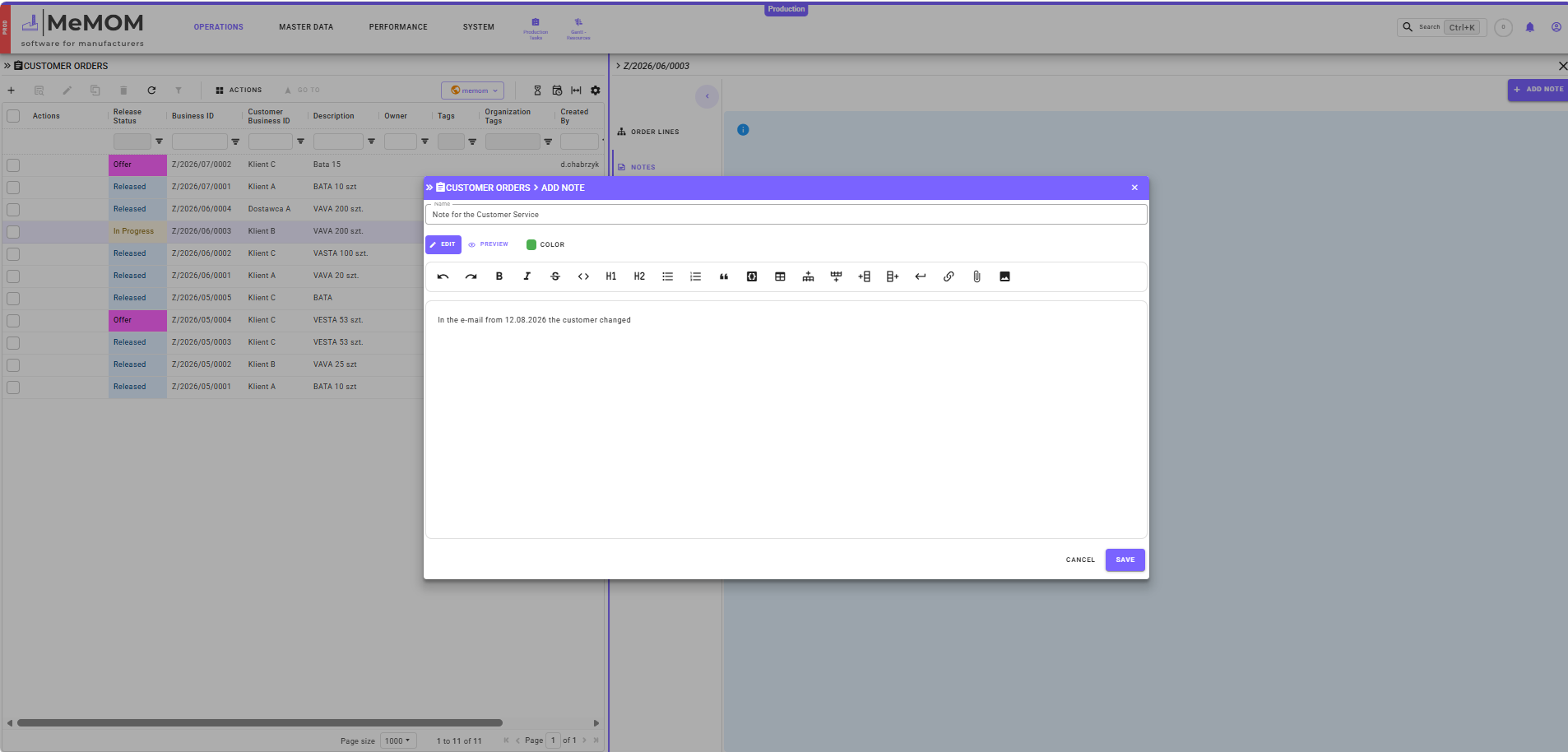
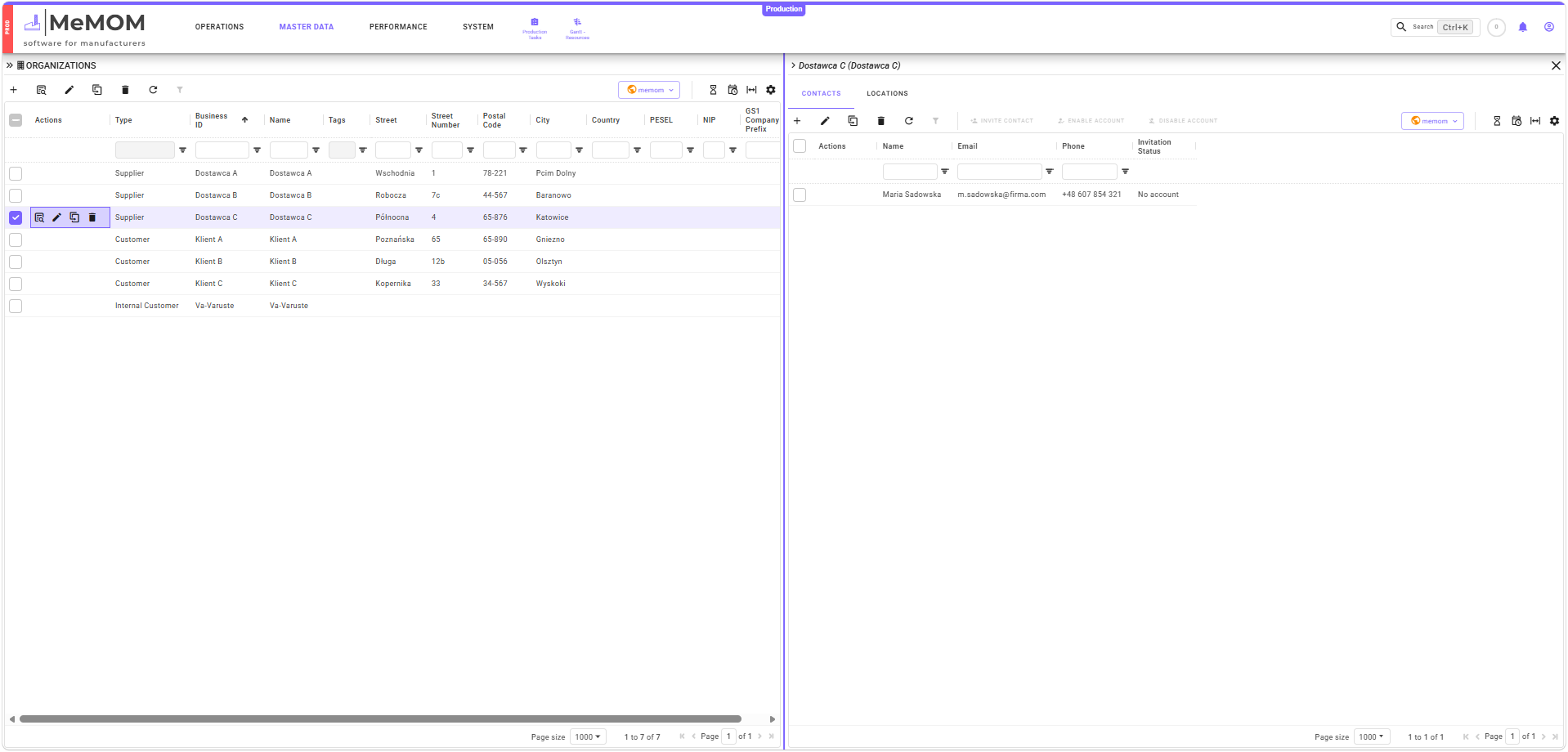
The production process often begins after receipt of a request or order from the customer, or after placing our own orders, for instance in response to a tender or a sales plan.
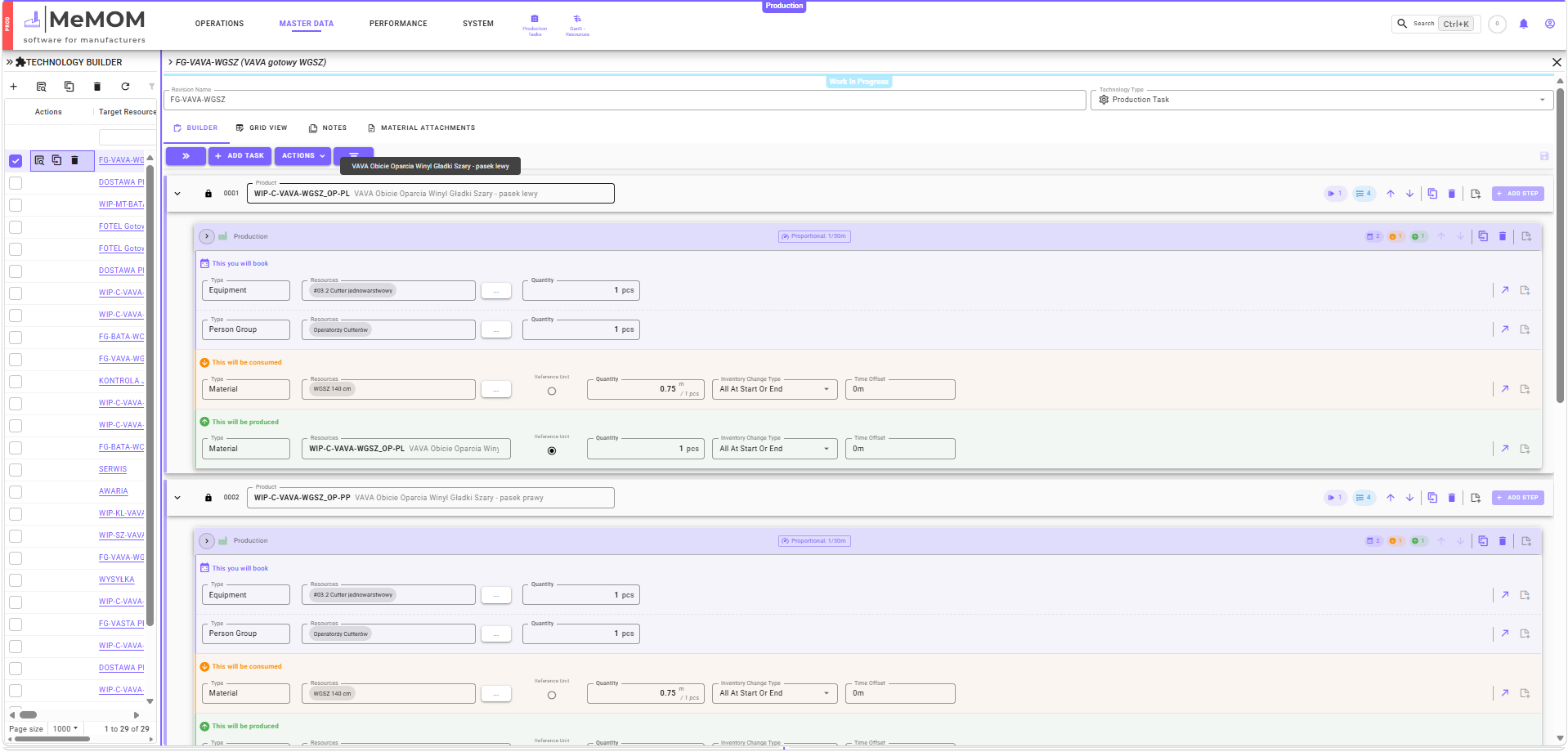

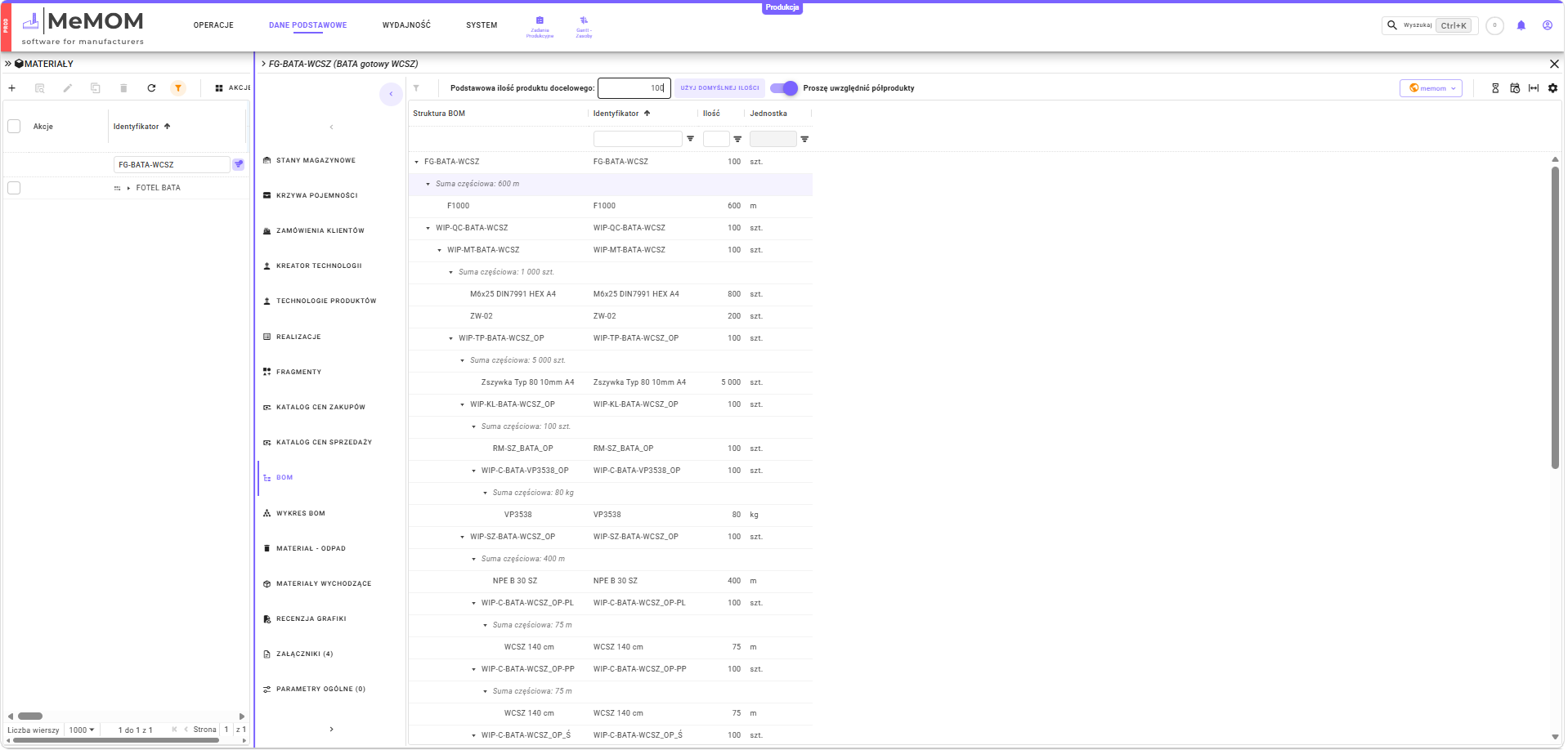
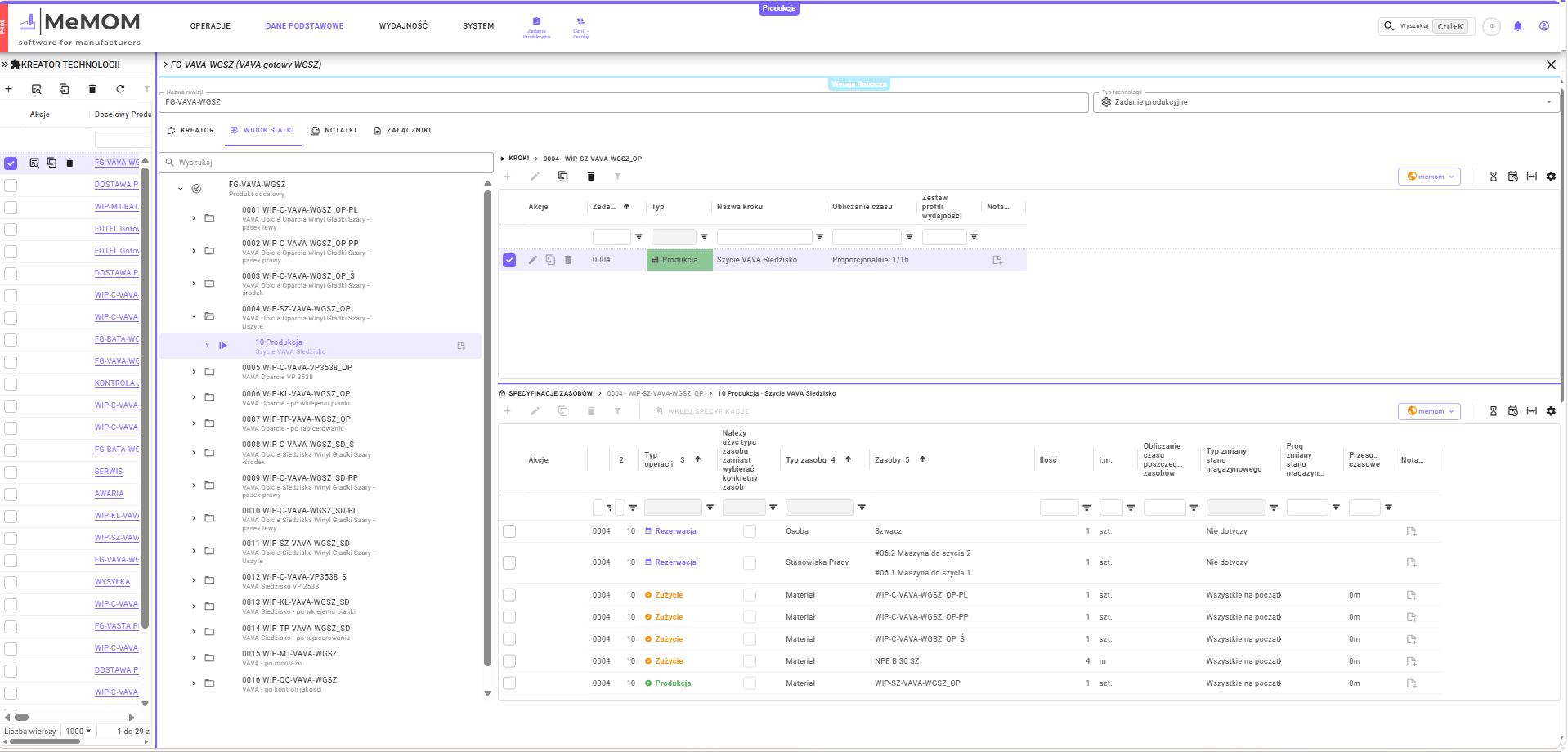
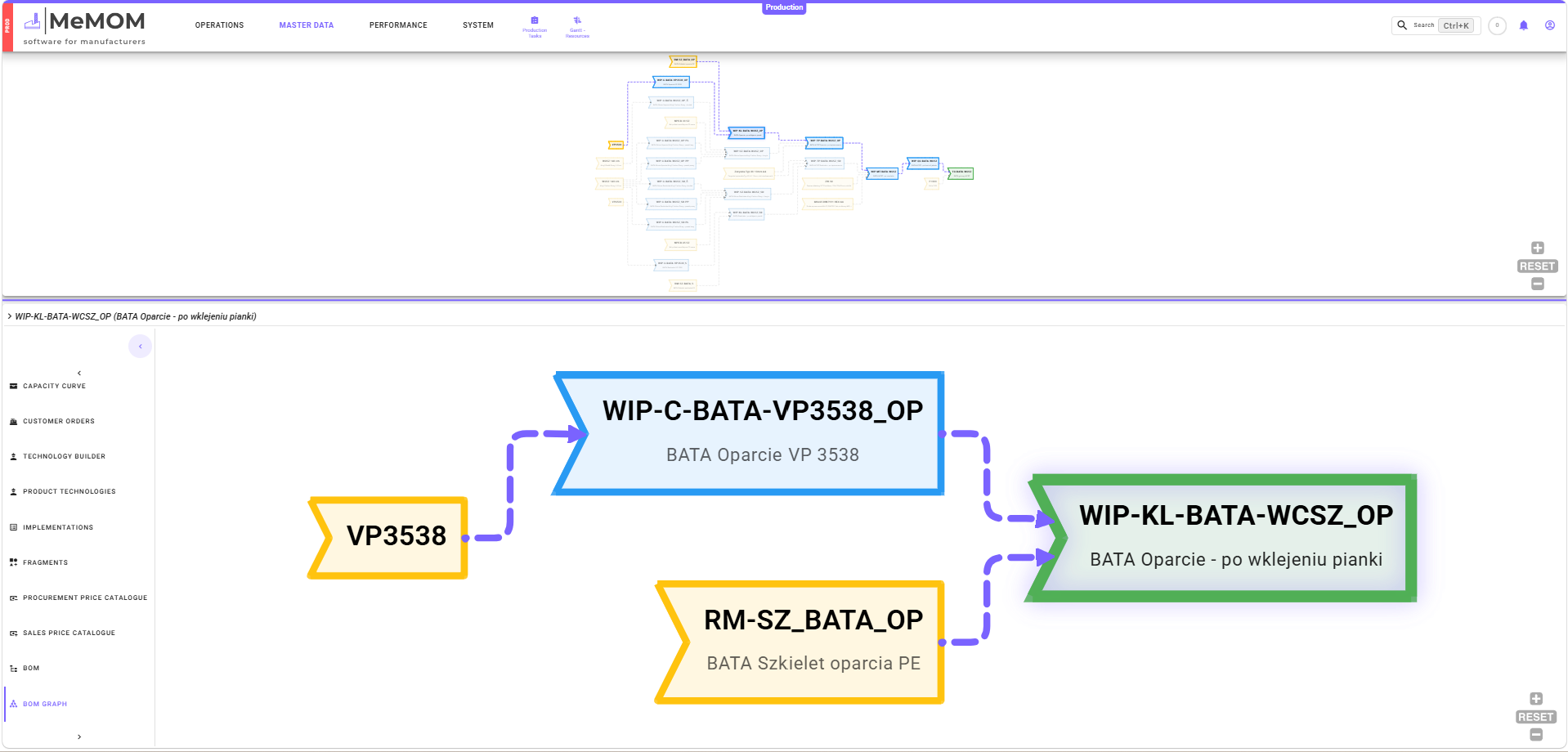
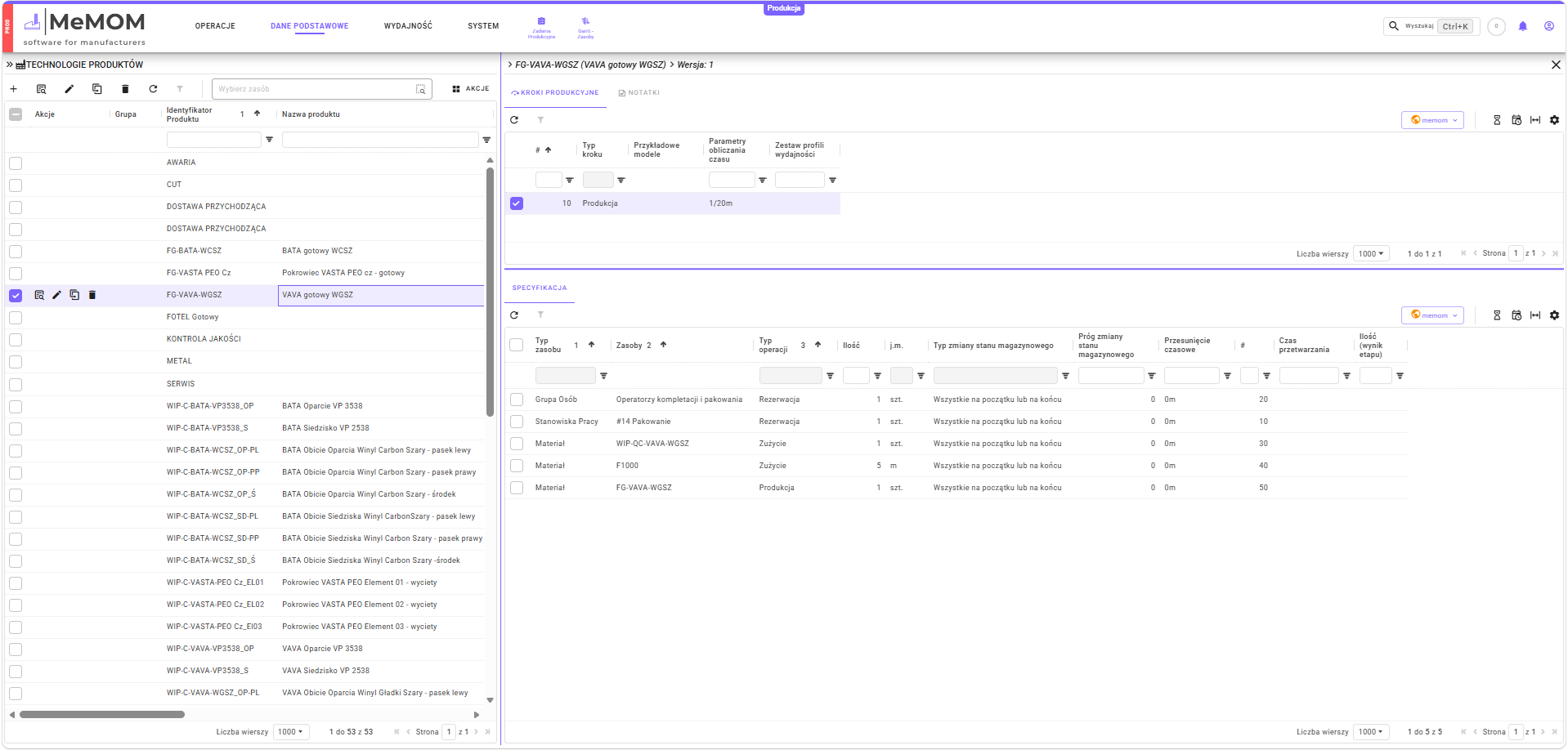
Define process, discrete, or hybrid manufacturing within a single routing structure. Specify operations, required resources, their priorities and semi-finished material flows. Account for both fixed setup times and quantity-dependent processing times. Leverage templates and routing revision control.
For each product, the system creates a card where data for that product is collected, including all orders and realizations, technologies, BOMs, cost catalogues, process visualizations, defined quality control plans, processing parameters, stock levels, etc.
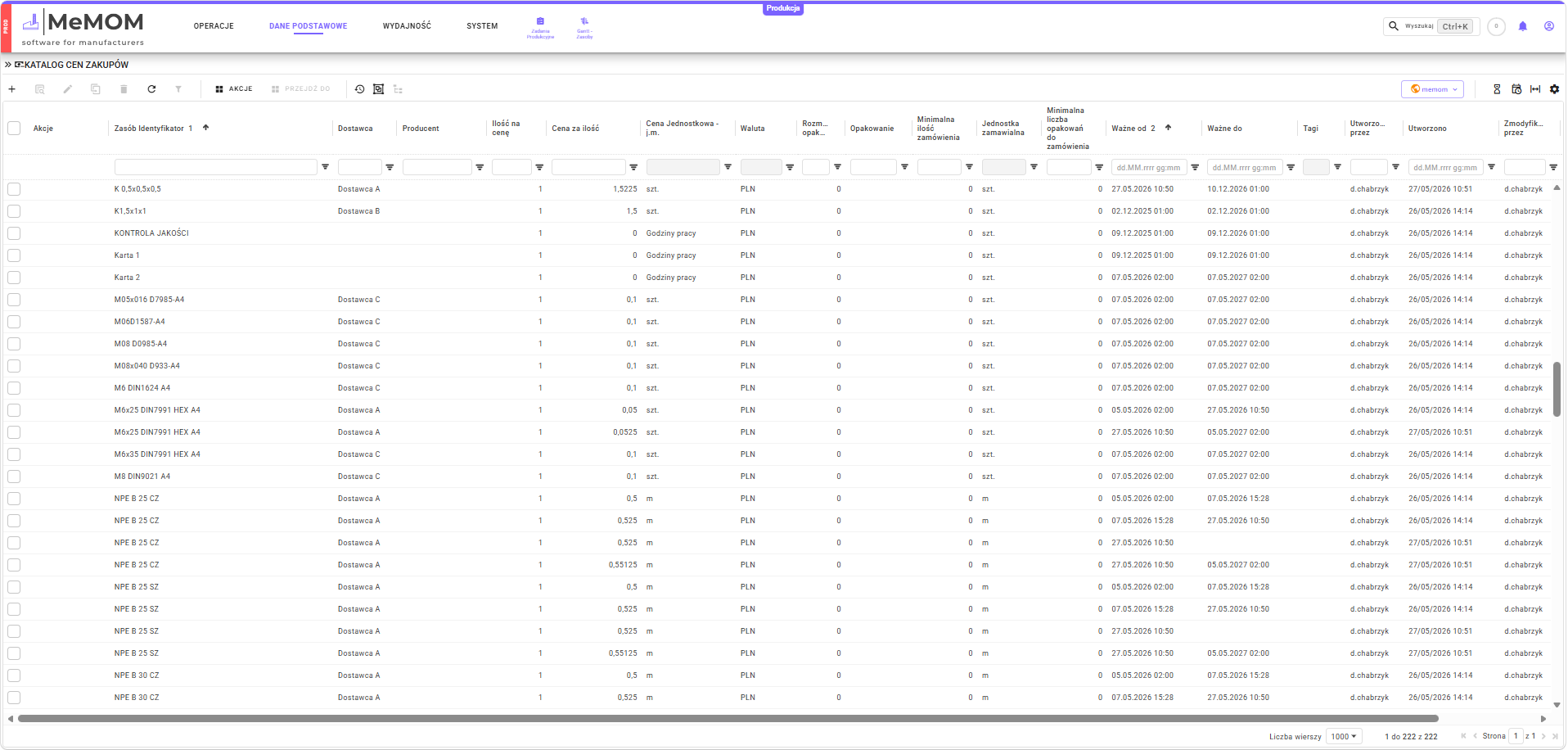
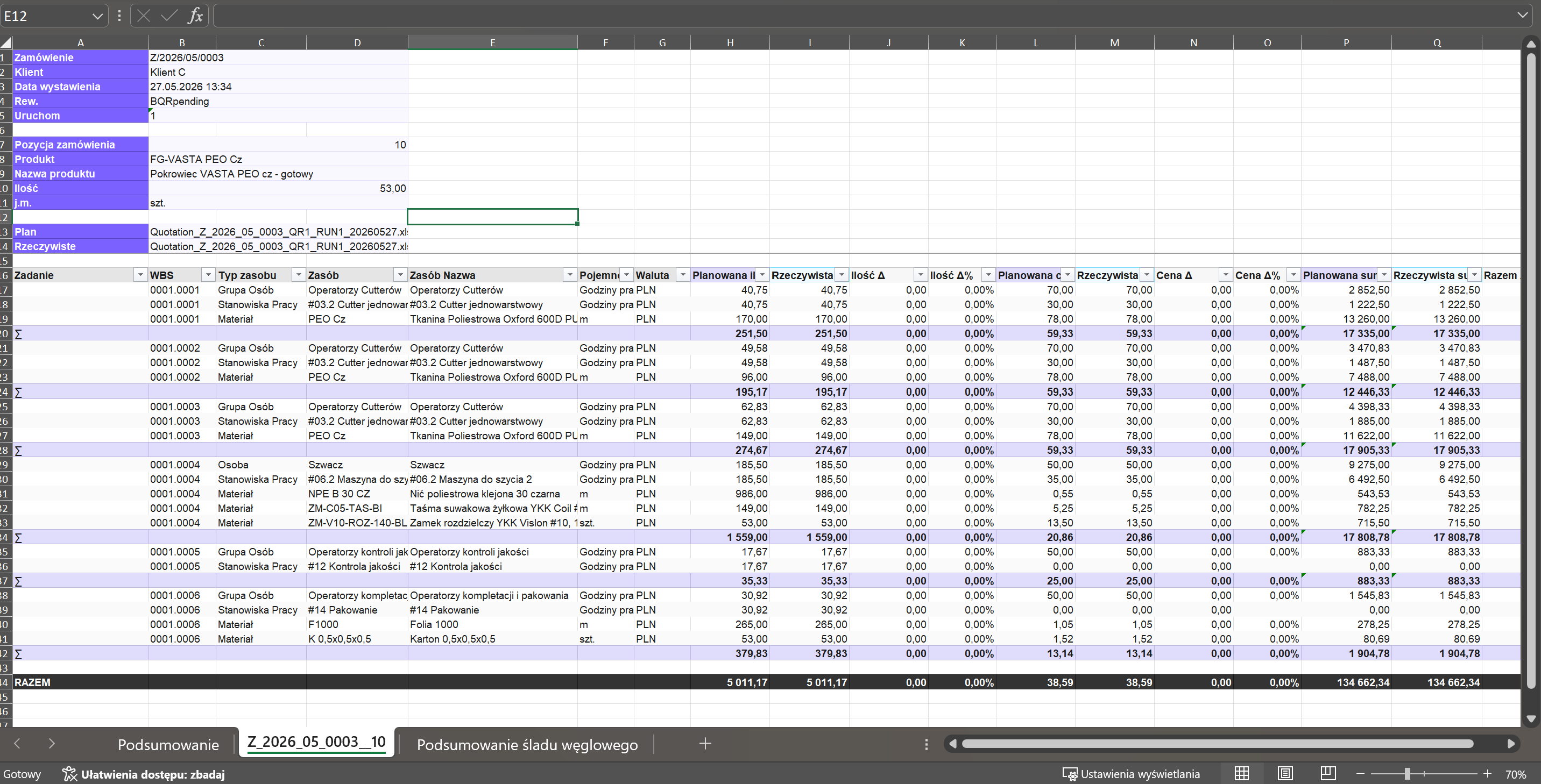
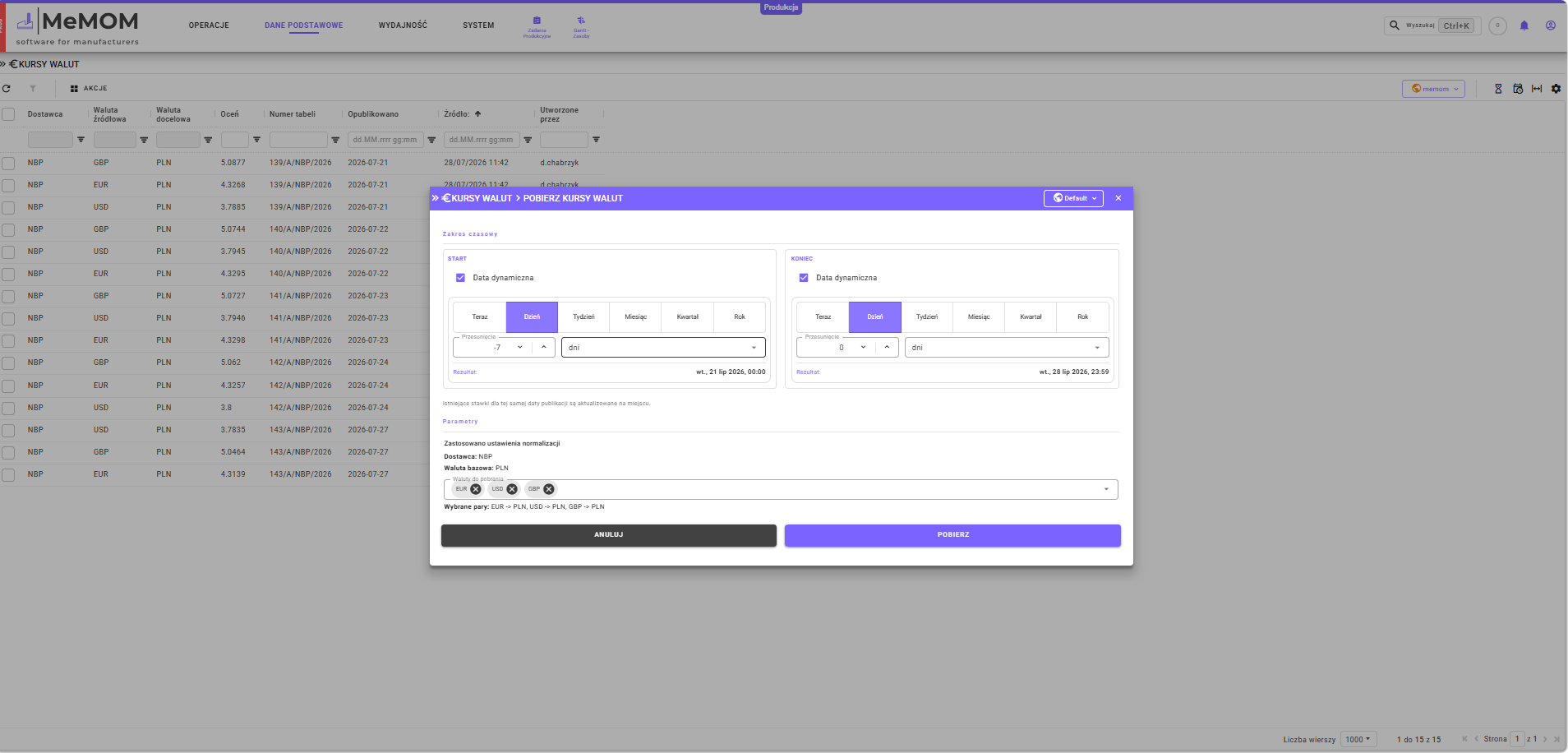
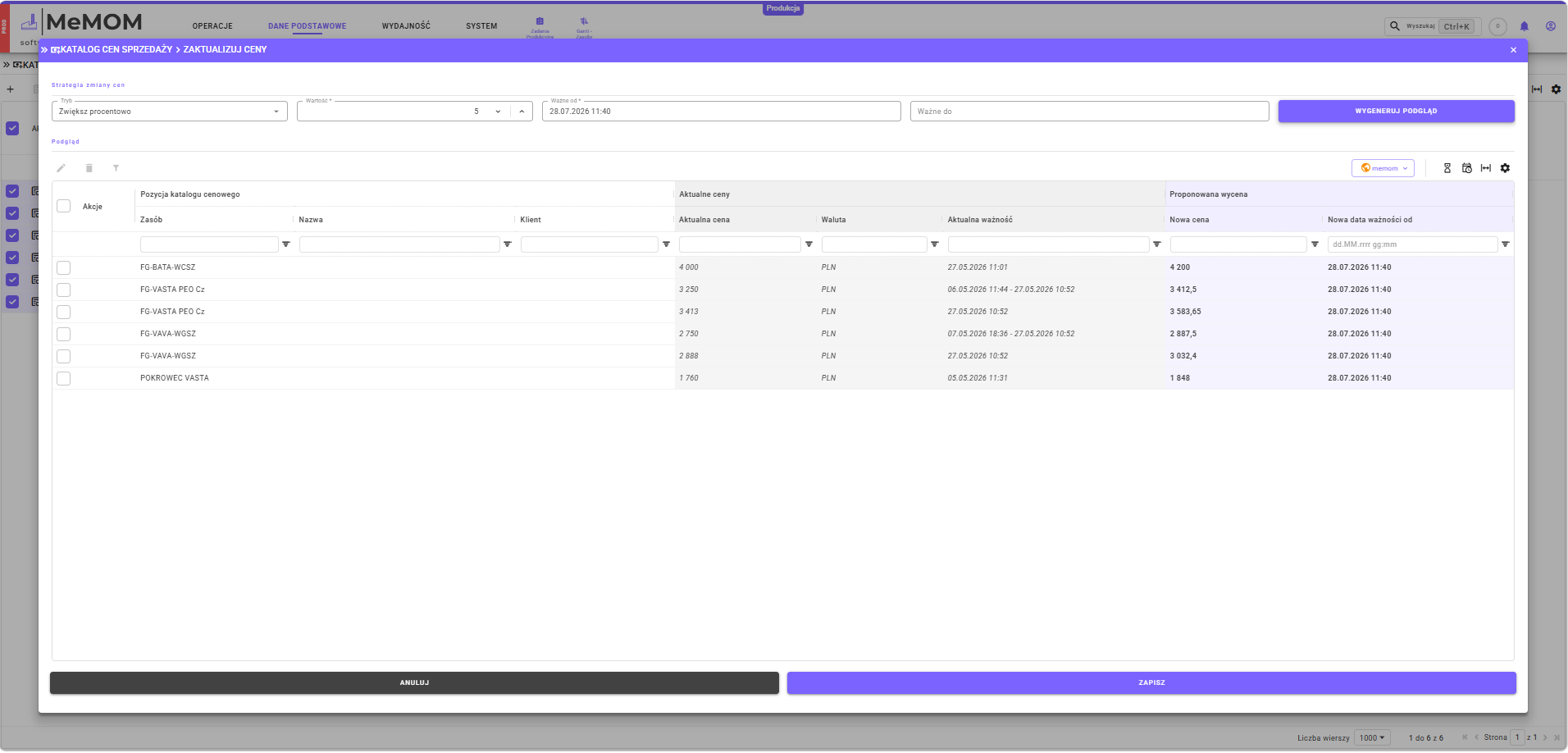
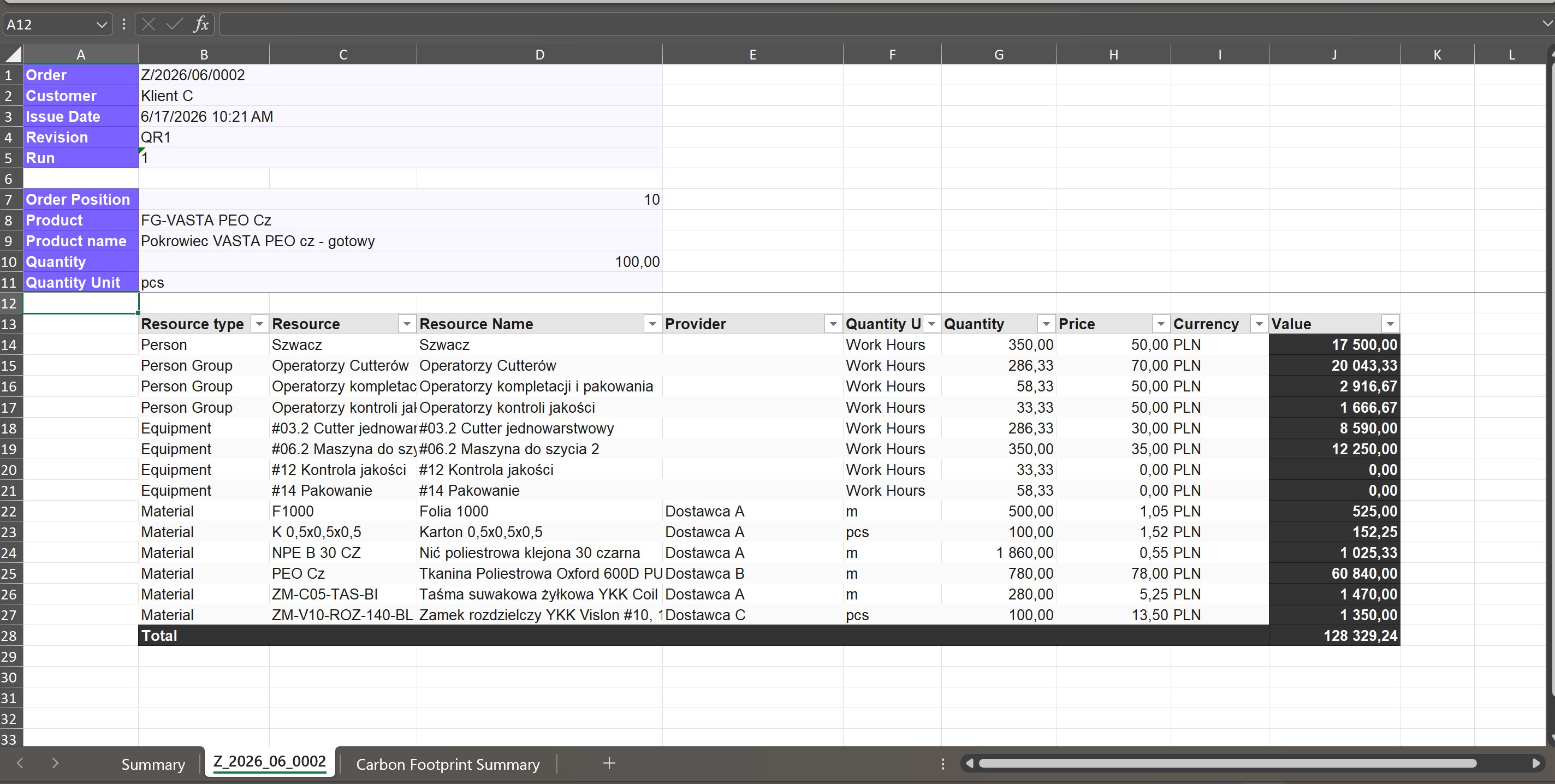
Based on the technology you have created, the request data you have entered and the cost catalogue, you will automatically receive an order quotation. It is available in a spreadsheet where you can freely edit it and send it to the customer. This will allow you to process many more customer inquiries in a given period of time.
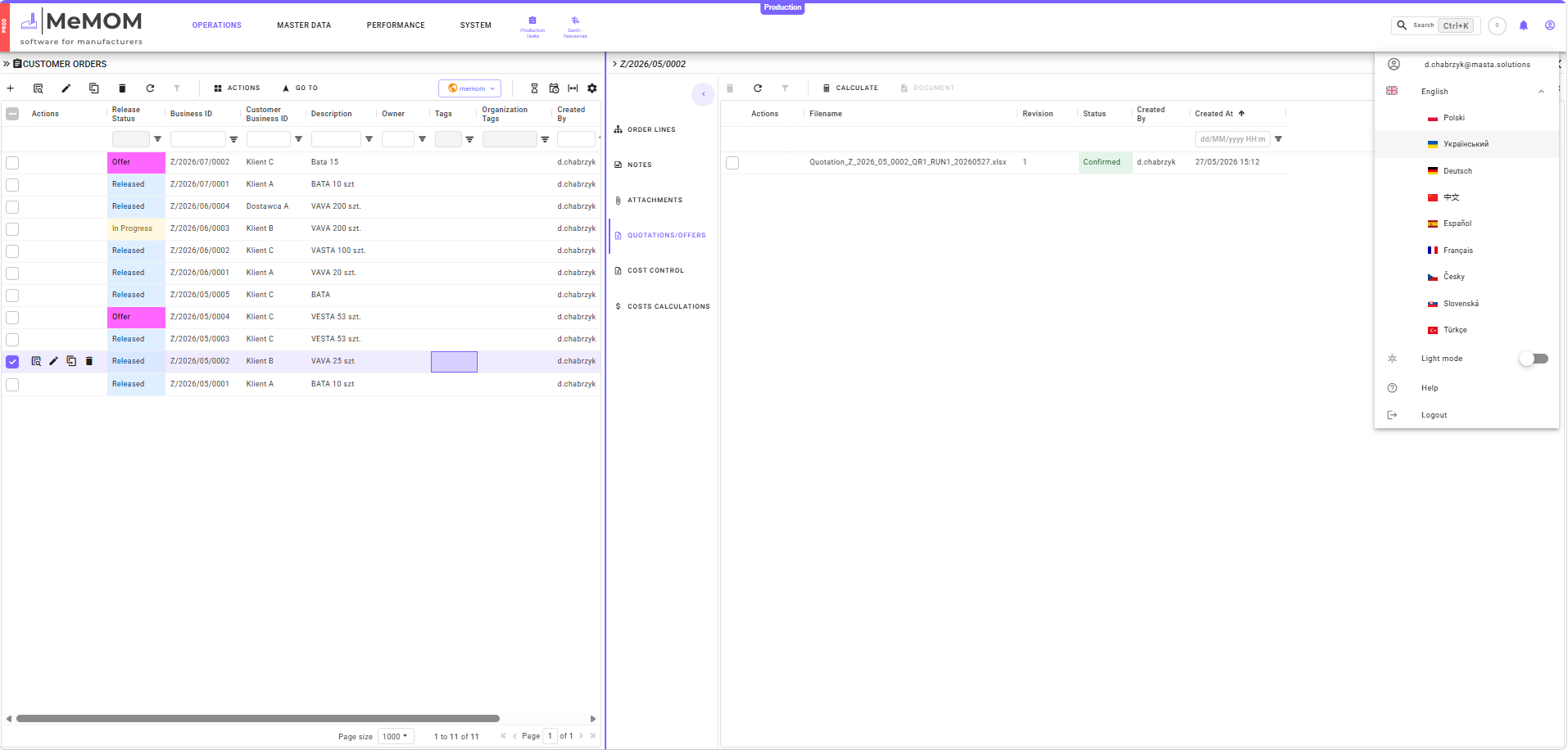
Each quotation is versioned and has its own status and attachments. The system will also tell you the earliest possible delivery date.
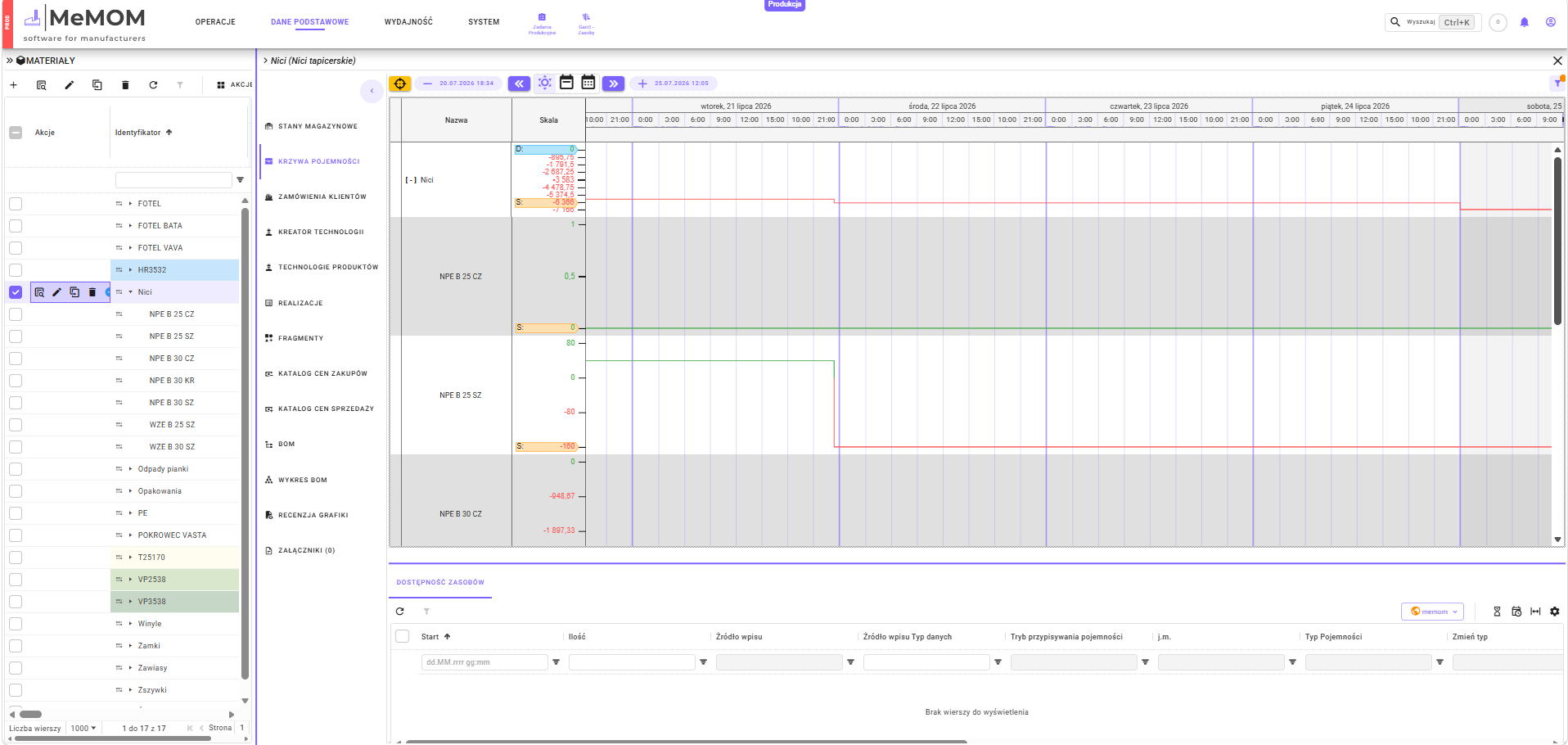
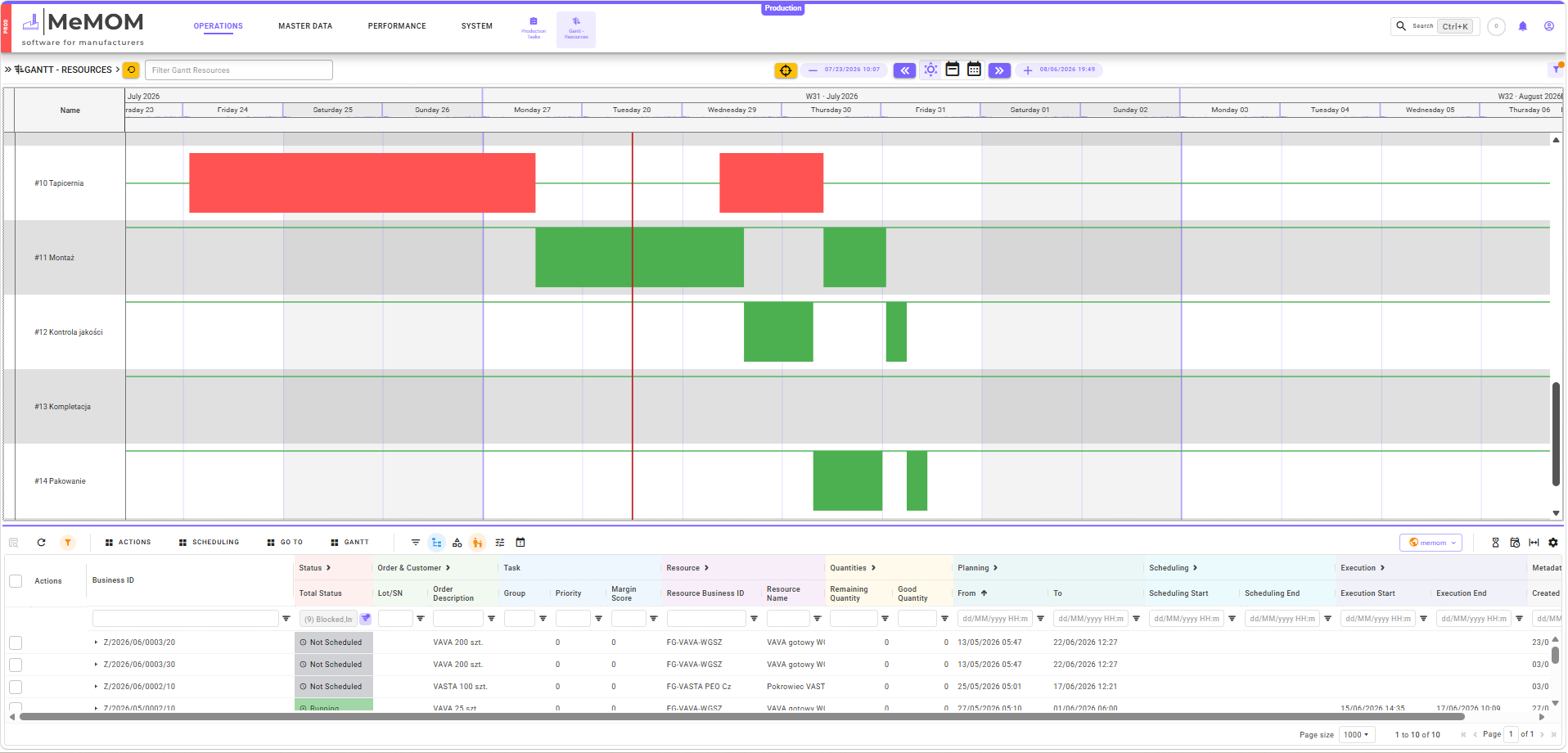

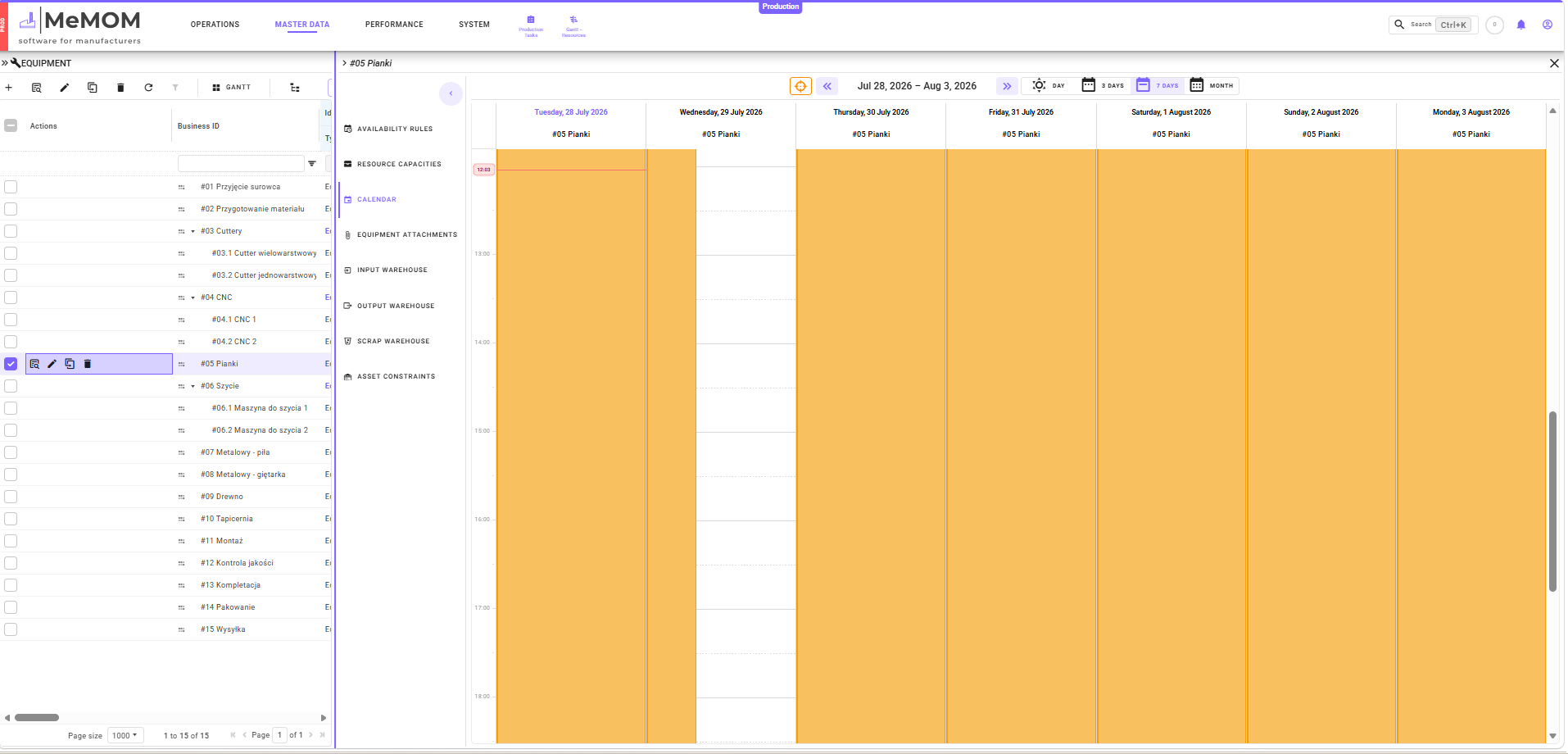
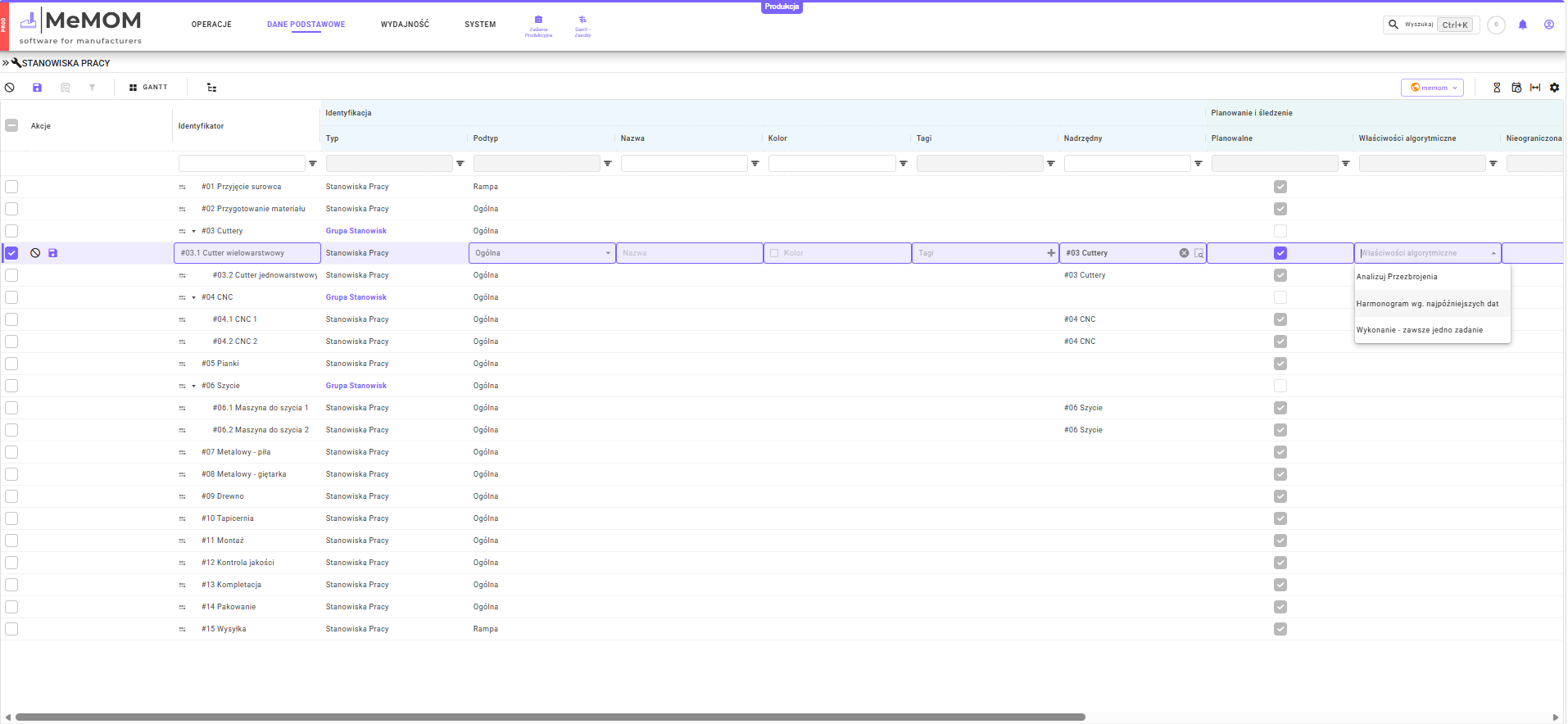
You can manage all your production resources in one place: workstations, tools, raw materials, packaging, semi-finished products and operators. You can generate different availability calendars for them and define their capacities so as to automate the creation of the plan and schedule.
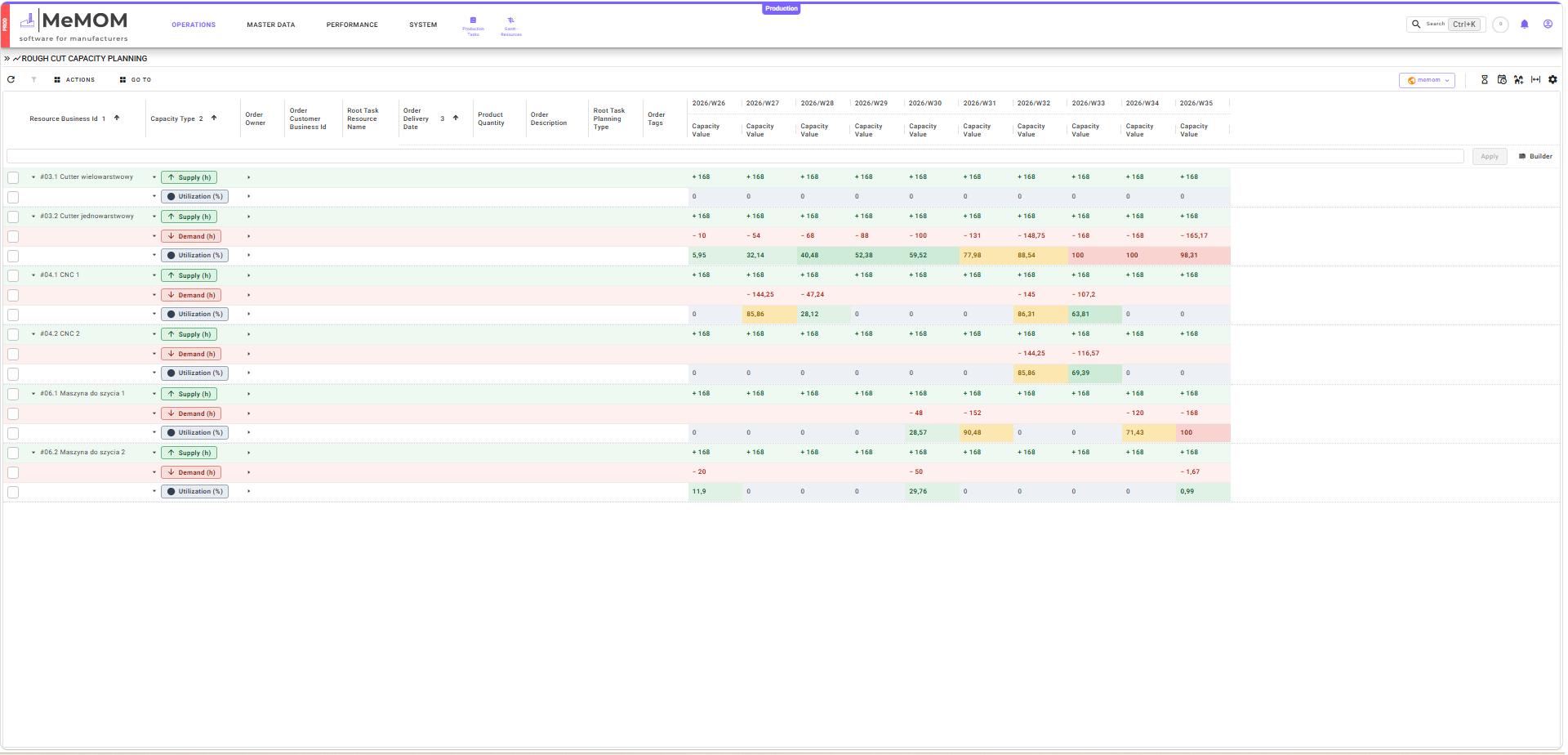
Analyze supply and demand over time. Compare available capacity against workload, and drill down from overloads directly to the orders and tasks causing them.
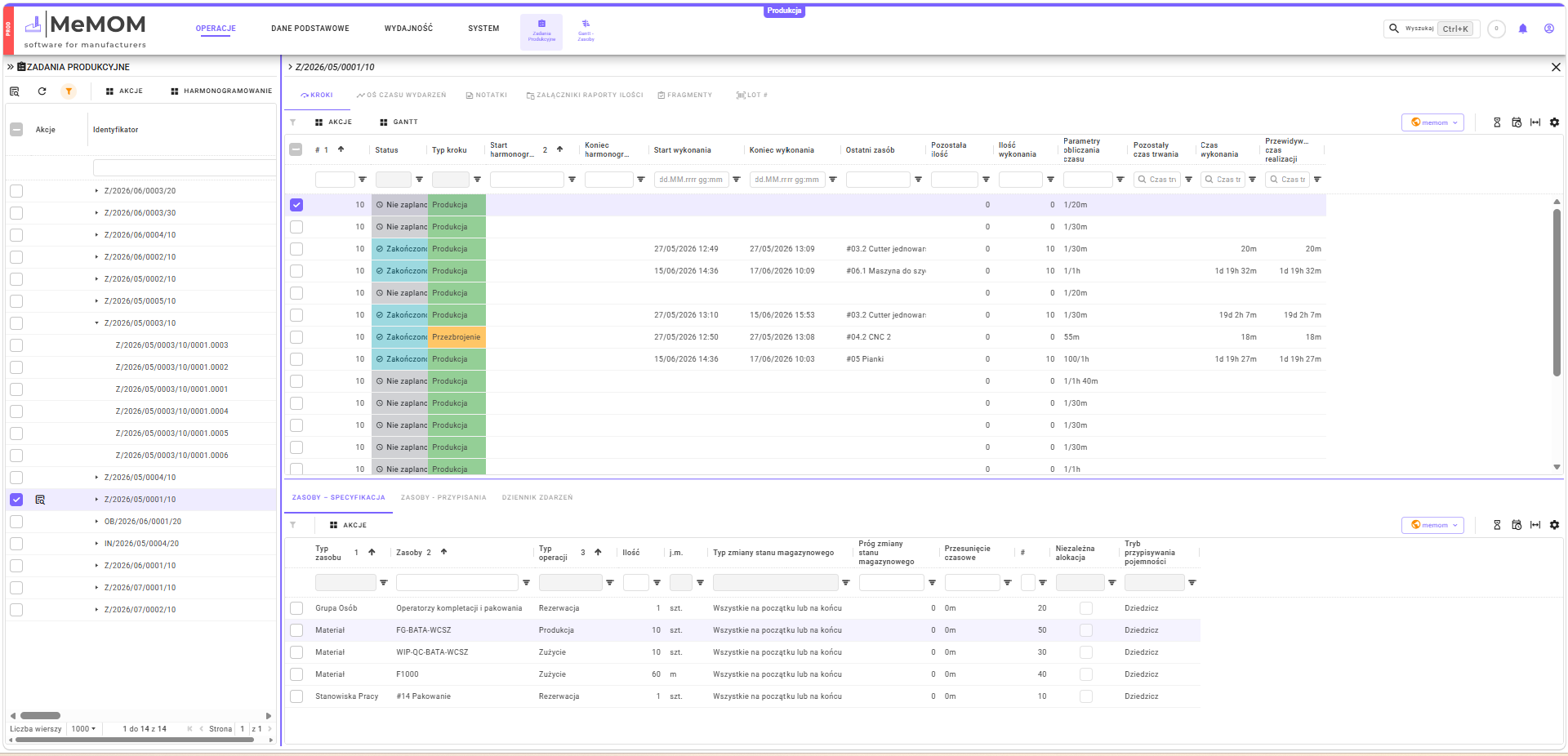


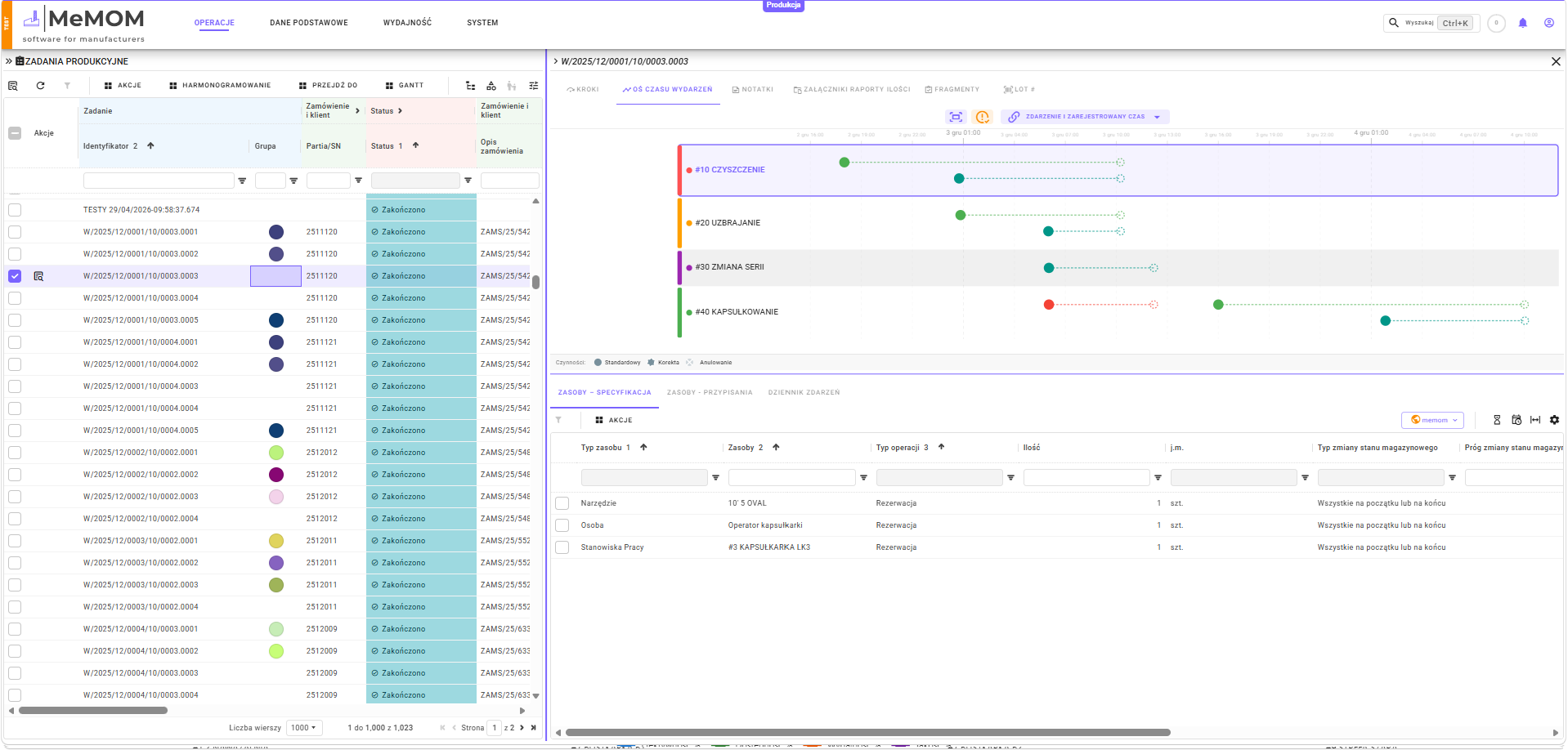
Once either an offer or an internal order has been approved, a production order is automatically generated along with production tasks, including quantity parameters. You can monitor their status and progress.

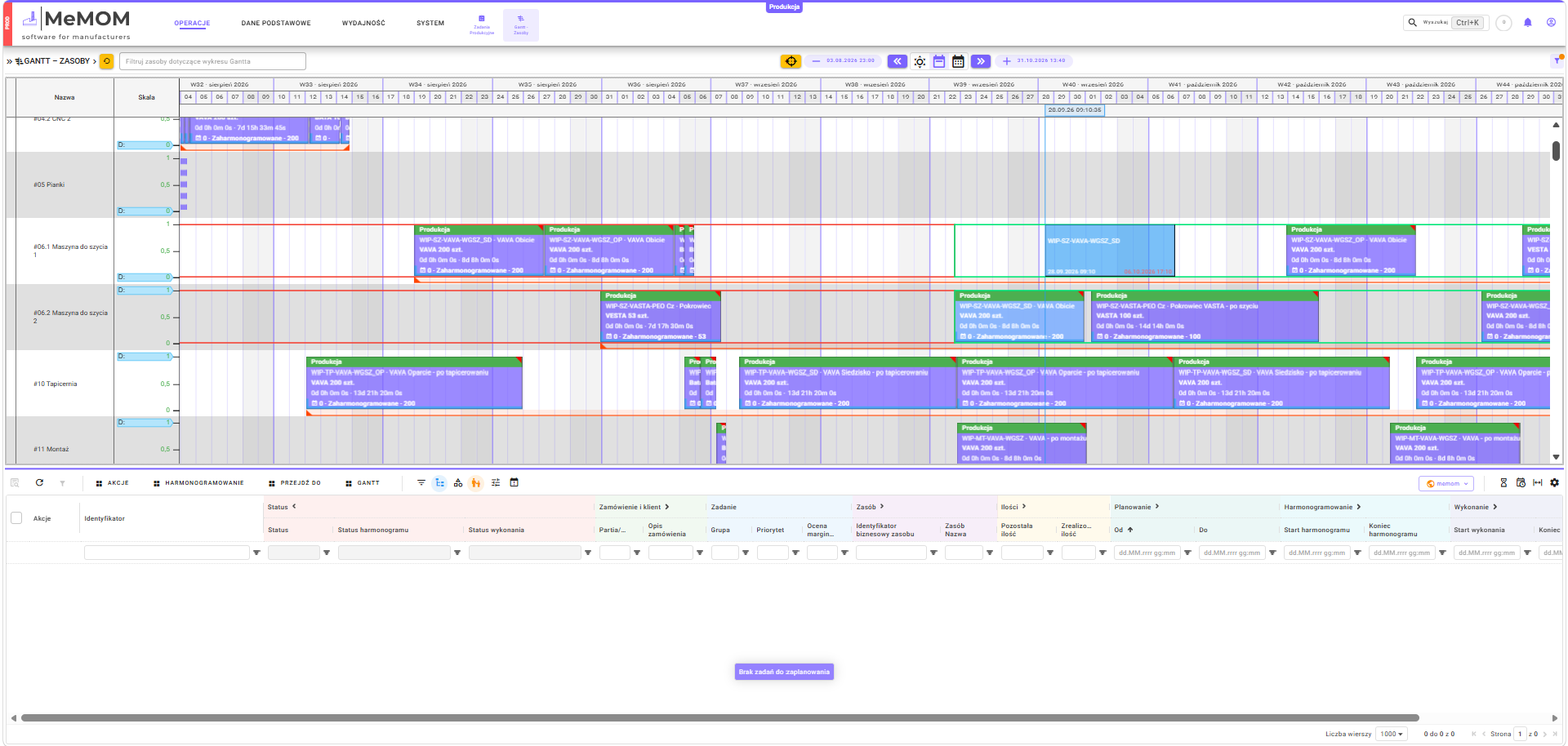
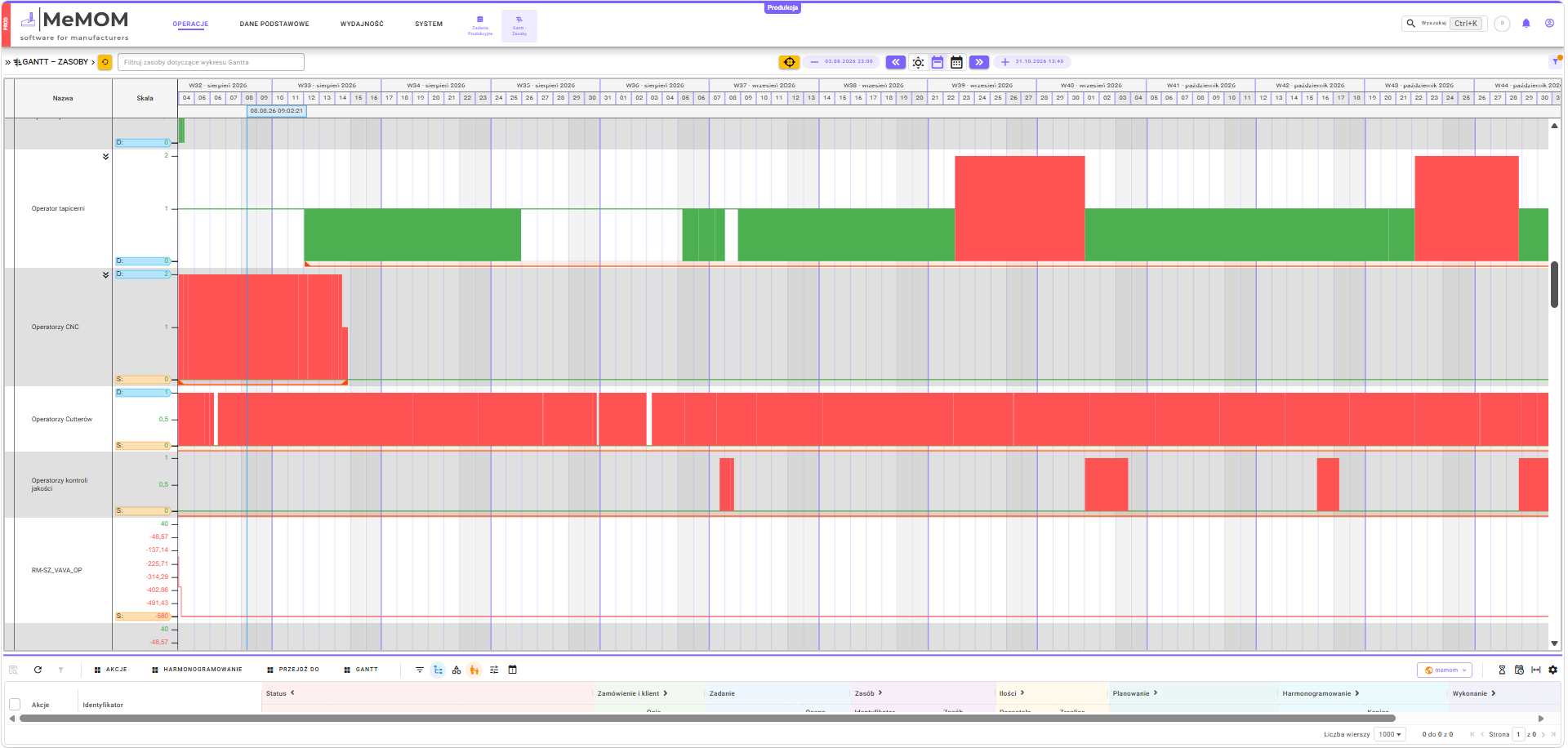

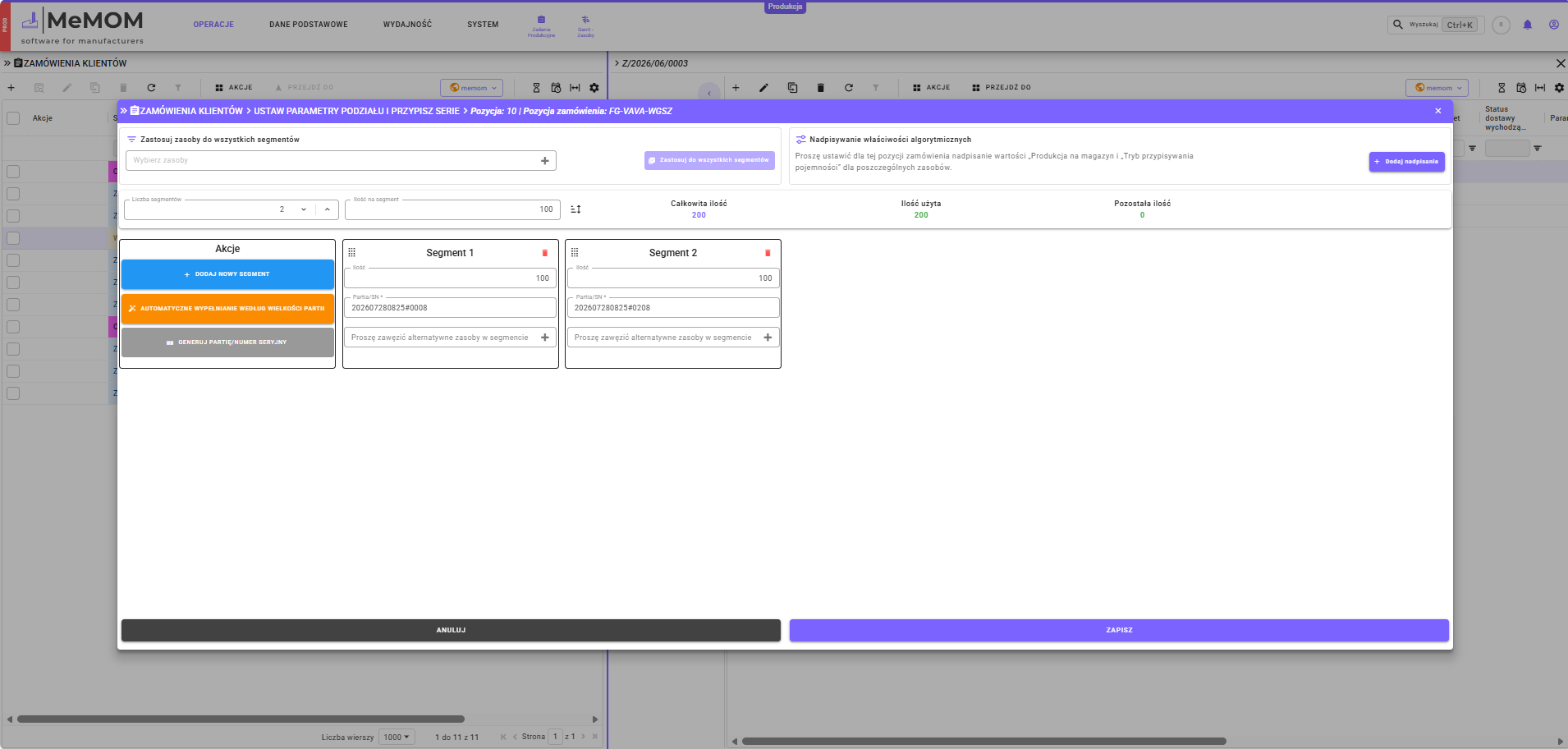
Plan with finite machine, labor, and material capacity in mind. MeMOM handles batch splitting, task merging, changeovers, and resource sharing. Synchronize parallel stages and the flow of semi-finished goods to downstream operations. Dynamically recalculate the remaining schedule whenever shop floor conditions or progress change.


In MeMOM it is possible to create parallel alternative production scenarios based on the current schedule or based on another scenario with the possibility to work on several scenarios in parallel. This allows you to simulate different variants of organising production processes (what-if analysis) and evaluate them based on defined KPIs before deciding which scenario to implement in production. The selected scenario is automatically merged with the current production scenario, taking into account the changes made to it during the work on the scenarios.
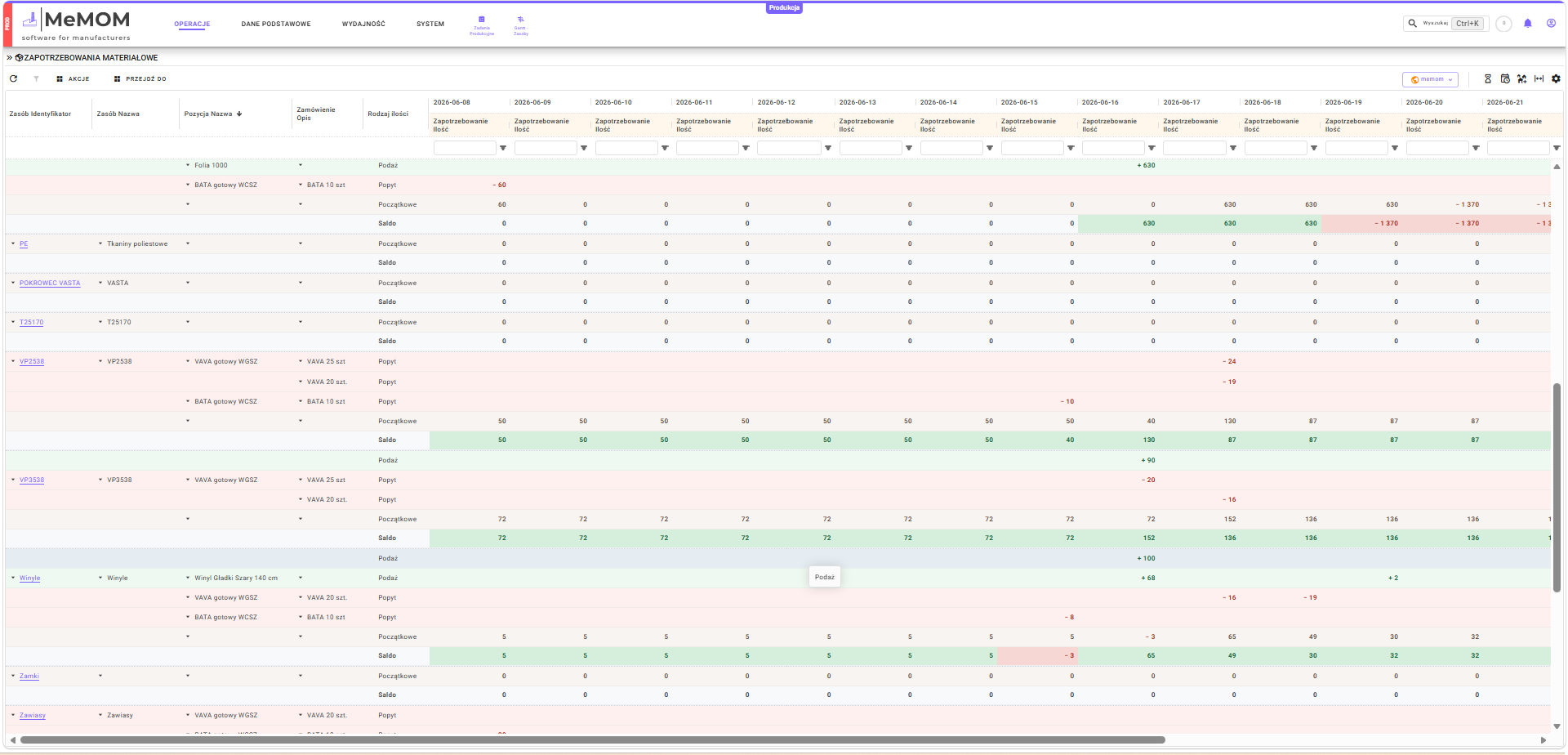
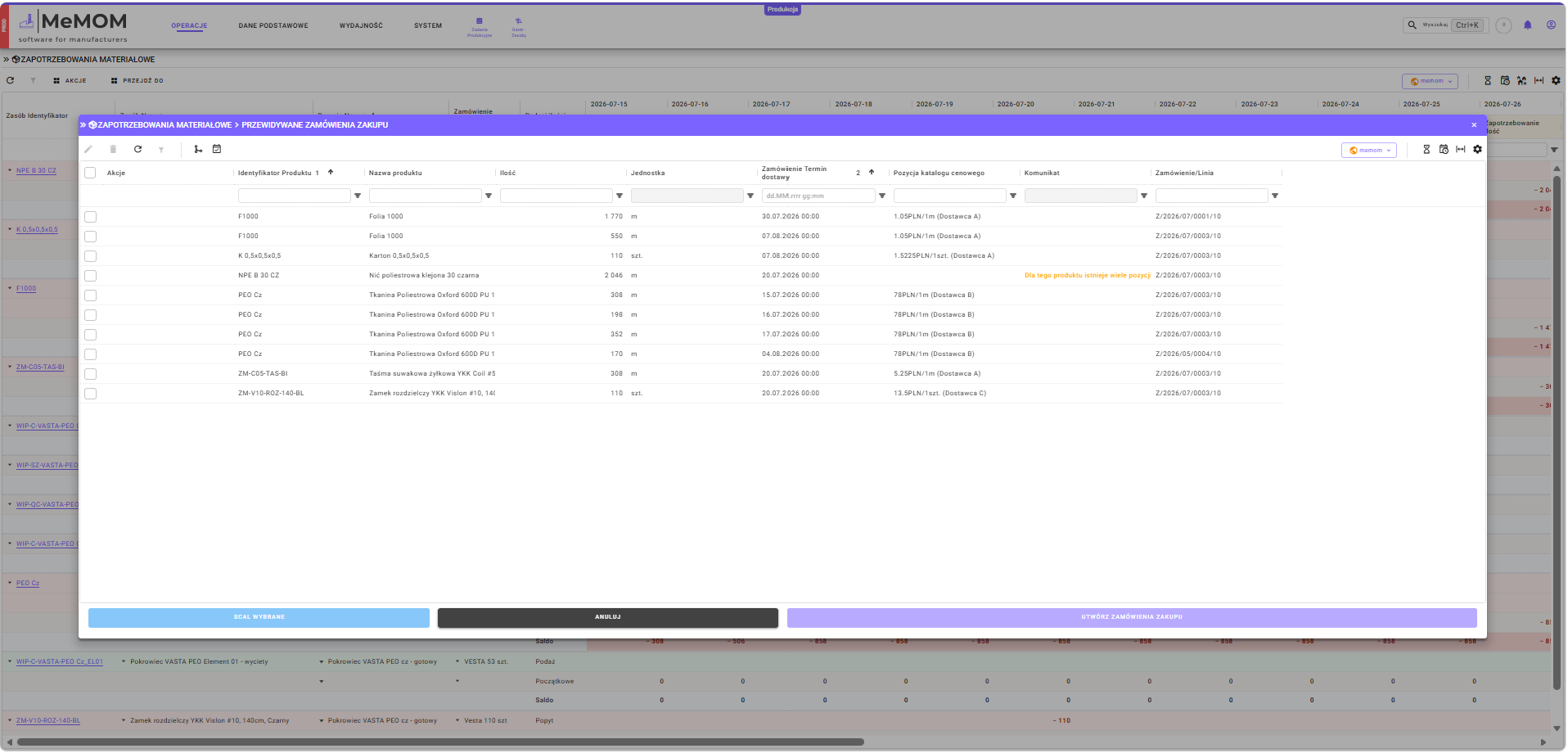
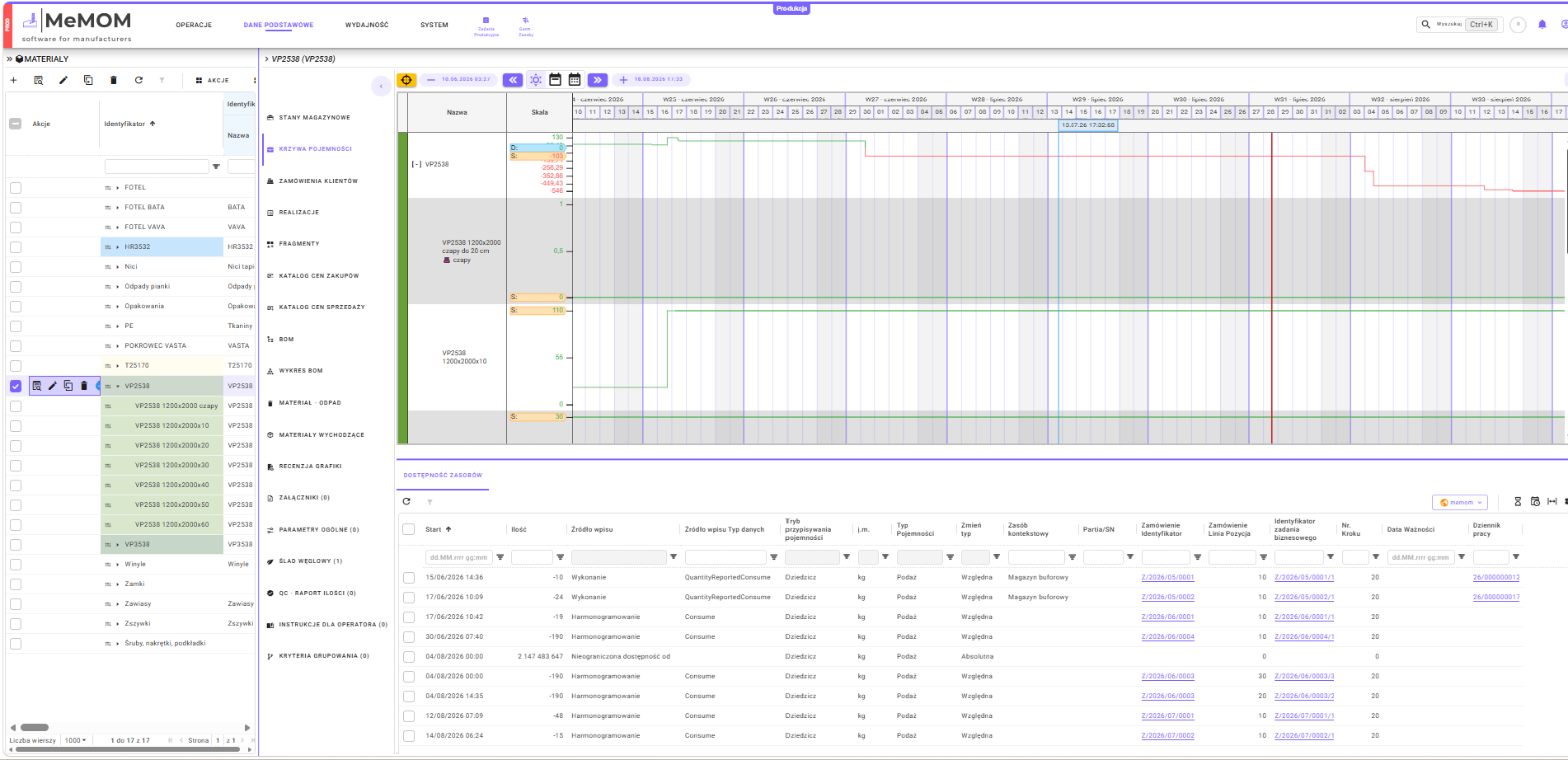
Compare production requirements against current inventory and scheduled deliveries. Generate purchase orders or internal work orders based on identified material shortages. Manage vendors, purchase orders, and goods receipts. Align delivery dates with schedule needs, recording quantities, lots, and documentation upon receipt.

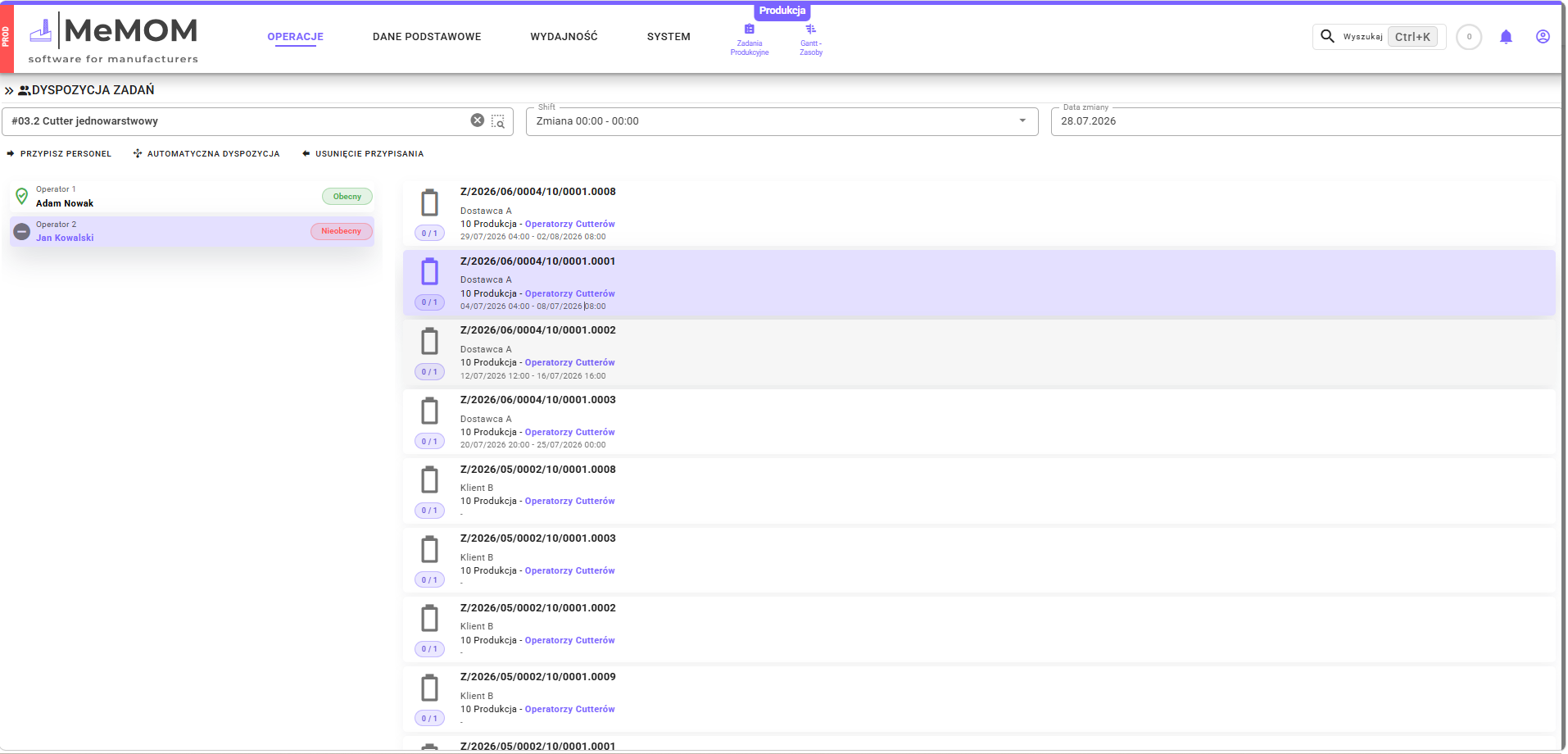
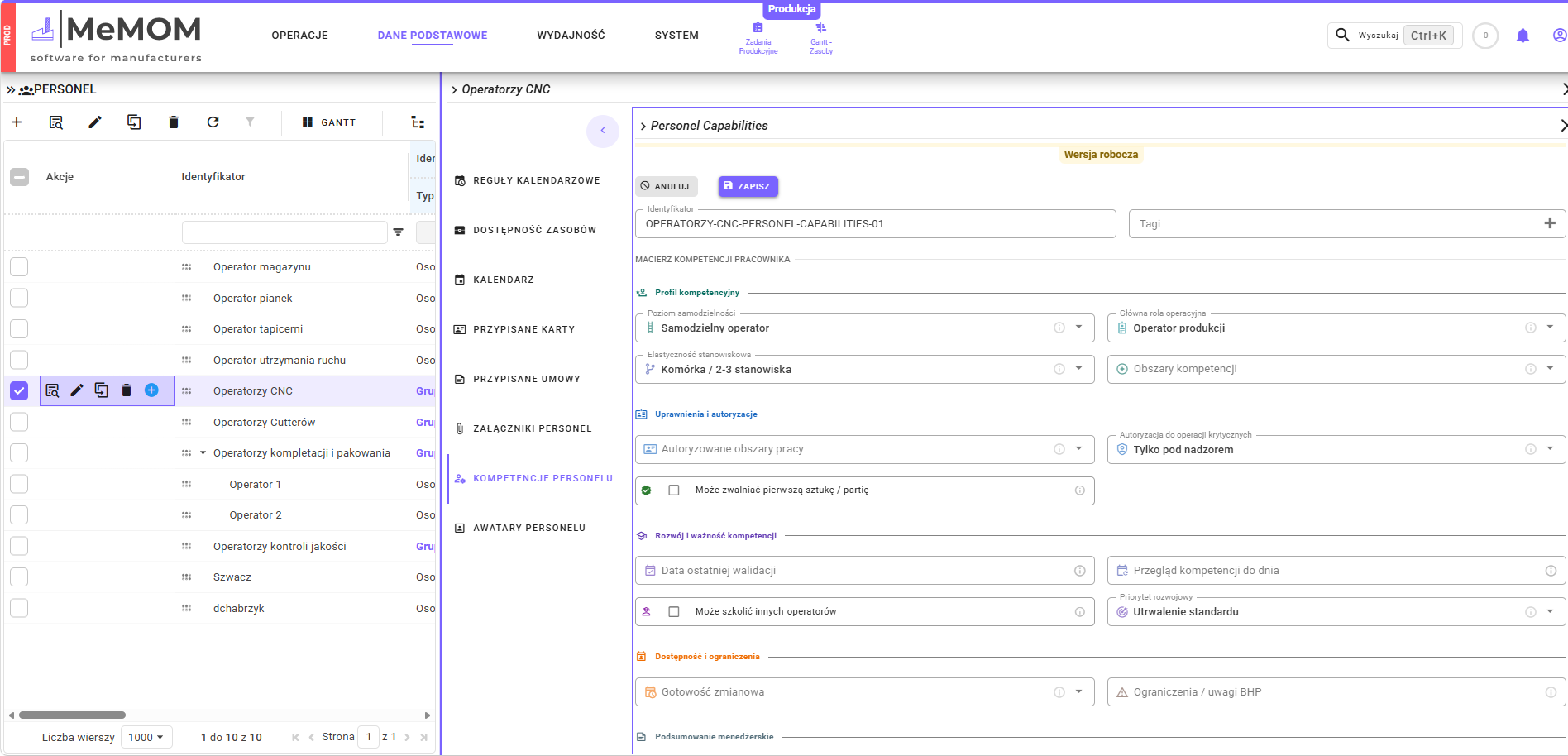
Thanks to the introduction of a competence matrix and availability calendars, the assignment of tasks to individual employees can be done automatically. You can also manually change these assignments or manually dispatch tasks in the system.
You can also leave a list of tasks unassigned to employees.
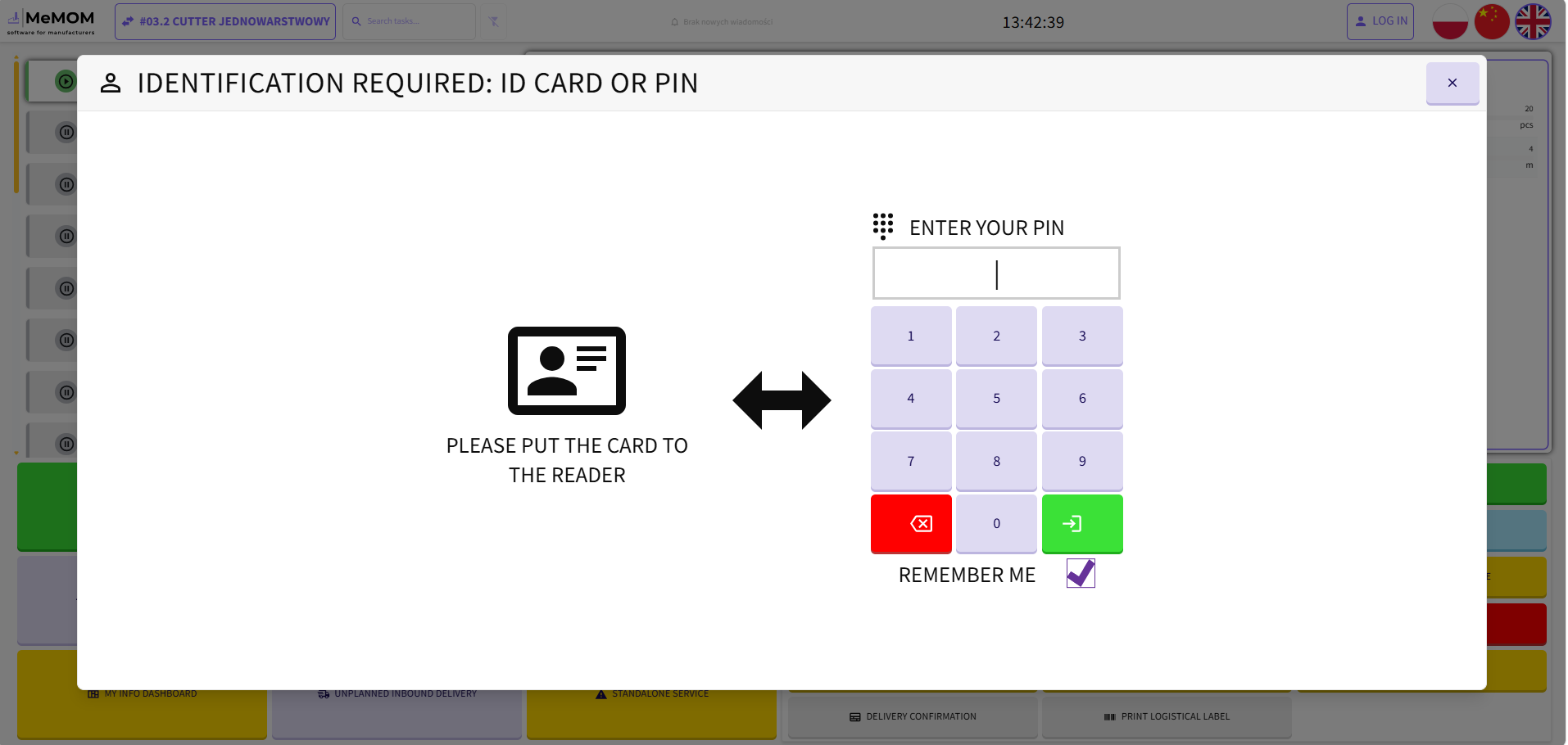
Thanks to the operator terminals, everyone knows what they need to do and in what order to meet the factory's objectives.


Tracking the production process is possible thanks to terminals on the production floor where employees enter data and integration with devices (IoT, vision systems, peripherals).
This not only allows us to know what's going on, but also to update schedules in real time and provide customers with up-to-date lead times, to accurately account for multi-stage projects, and to collect detailed product data (for example required for regulatory reasons, to handle complaints, to calculate carbon footprints, and to analyze imperfections in the production process and make improvements).
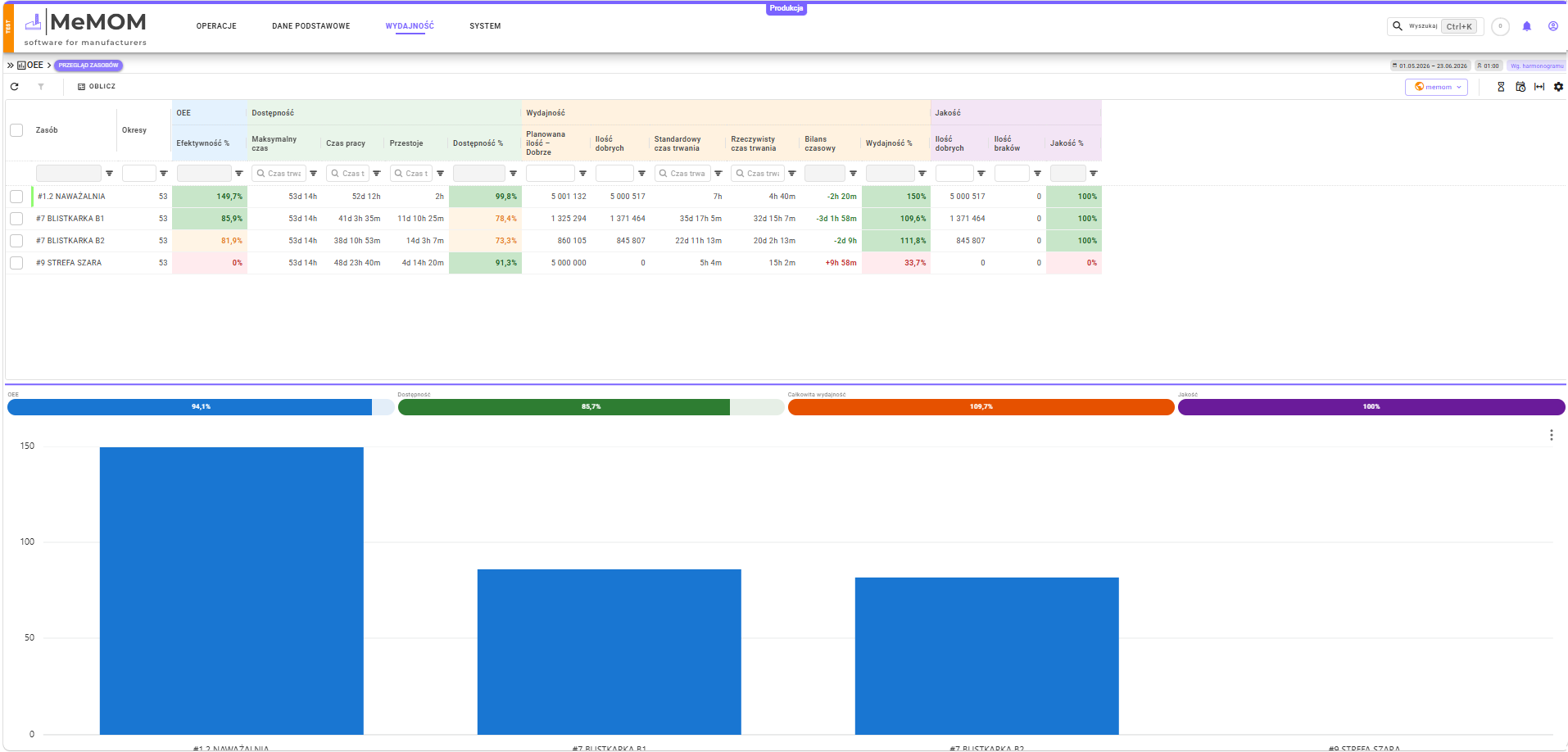
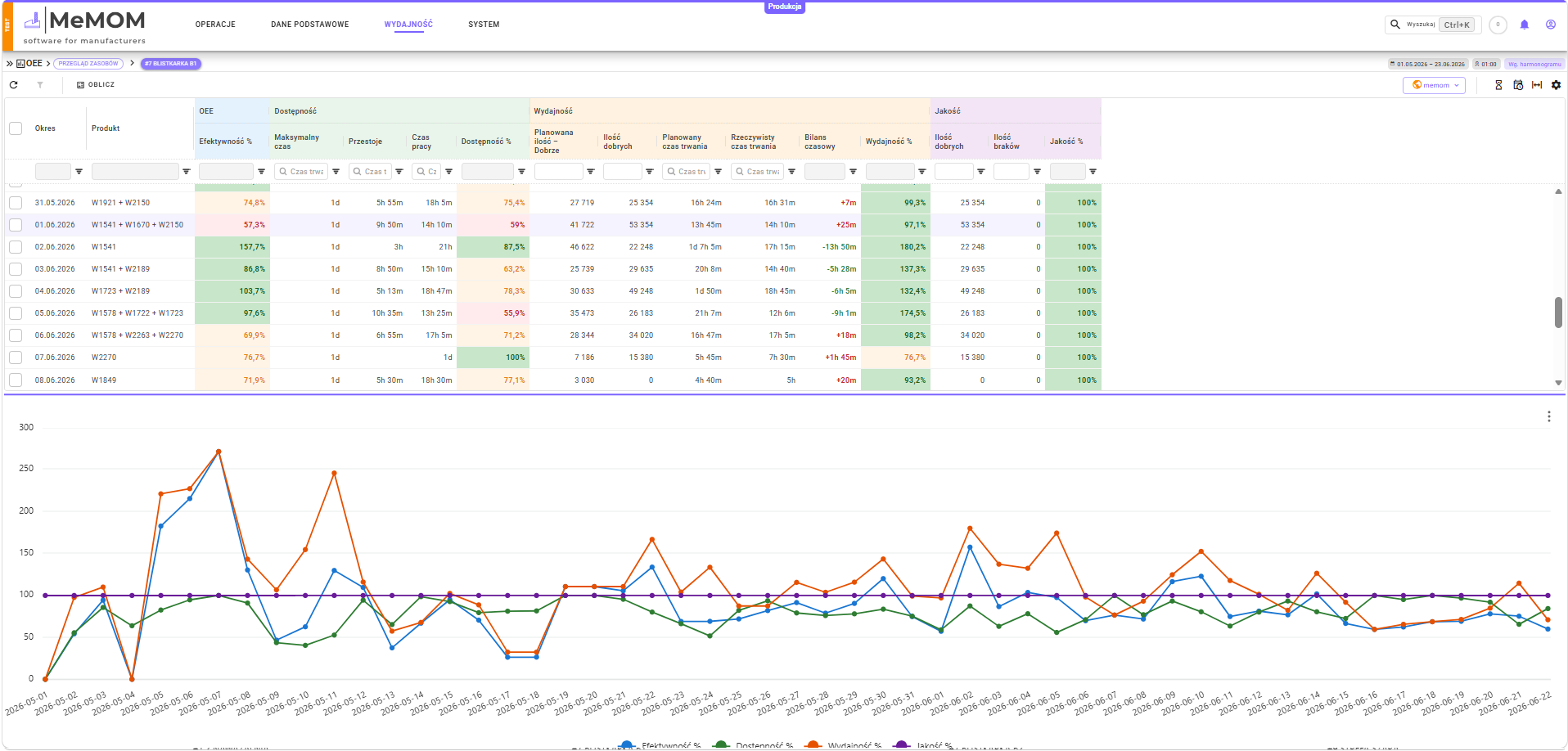

Pre-defined reports and data visualisations are available in our solution, as well as tools to define your own reports.
It is also possible to create Digital Product Passports.

MeMOM not only allows planned maintenance downtime to be incorporated into the schedule, but also automatically adjusts production schedules for unexpected downtime based on expected repair times. This minimizes production downtime and makes maintenance more predictable and efficient.
In addition, the system supports the execution of maintenance tasks by keeping detailed records of related work and providing repair instructions displayed on operator terminals.
The MeMOM system records detailed data on work orders in progress, including hours worked and the type of work performed on each machine. This allows maintenance to be tailored to the actual load and type of production, enabling a more personalized approach to maintenance. This approach increases maintenance efficiency, extends machine life, and allows maintenance schedules to be better aligned with specific production needs.

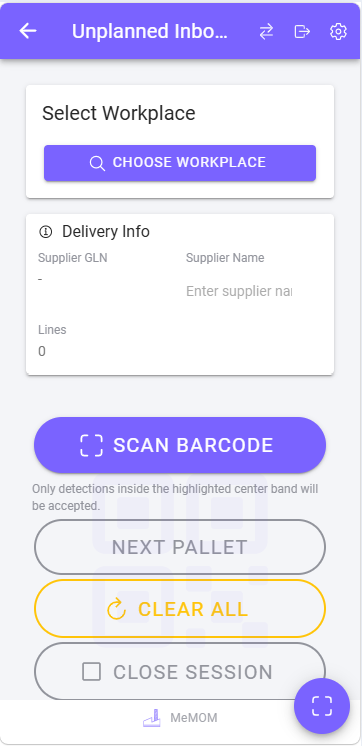
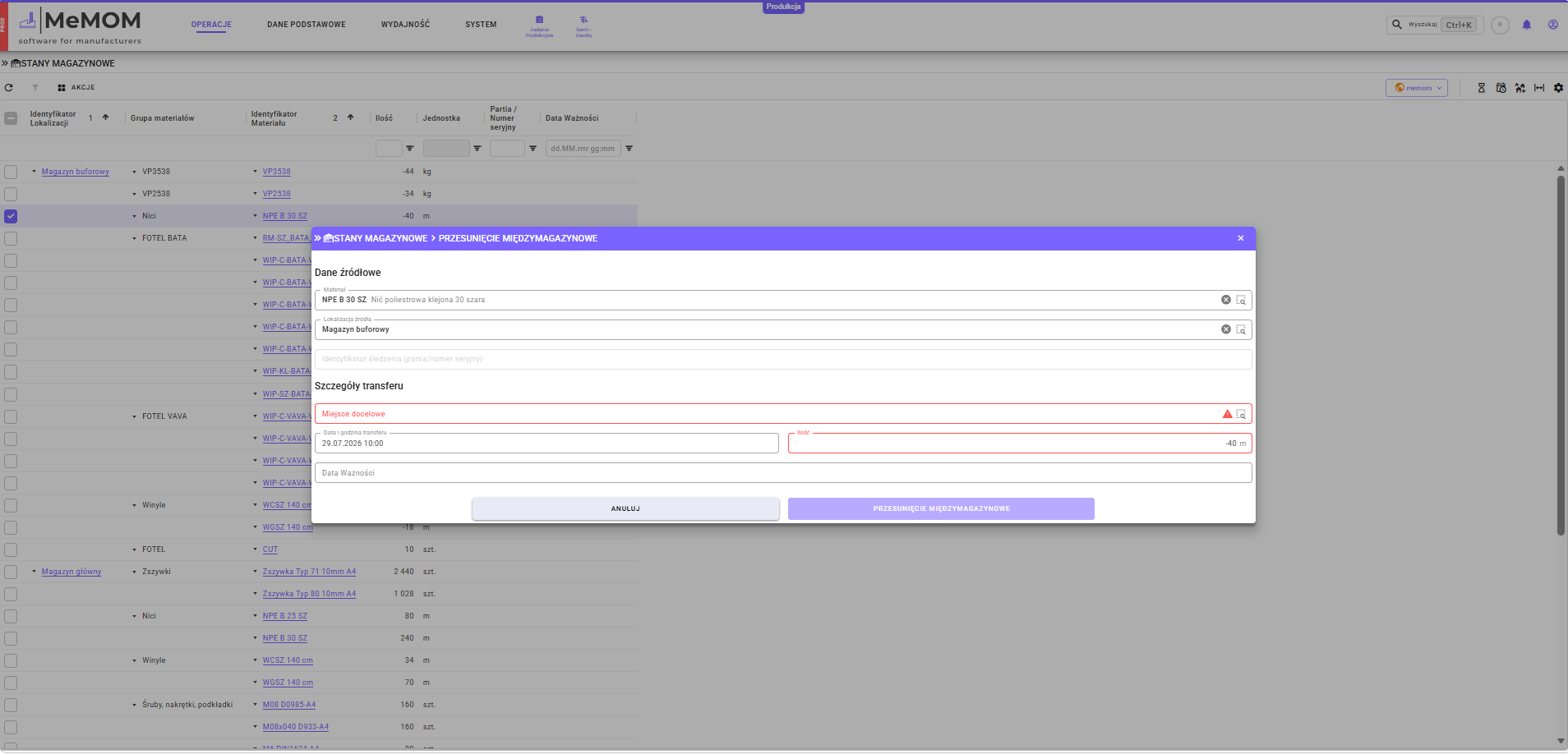
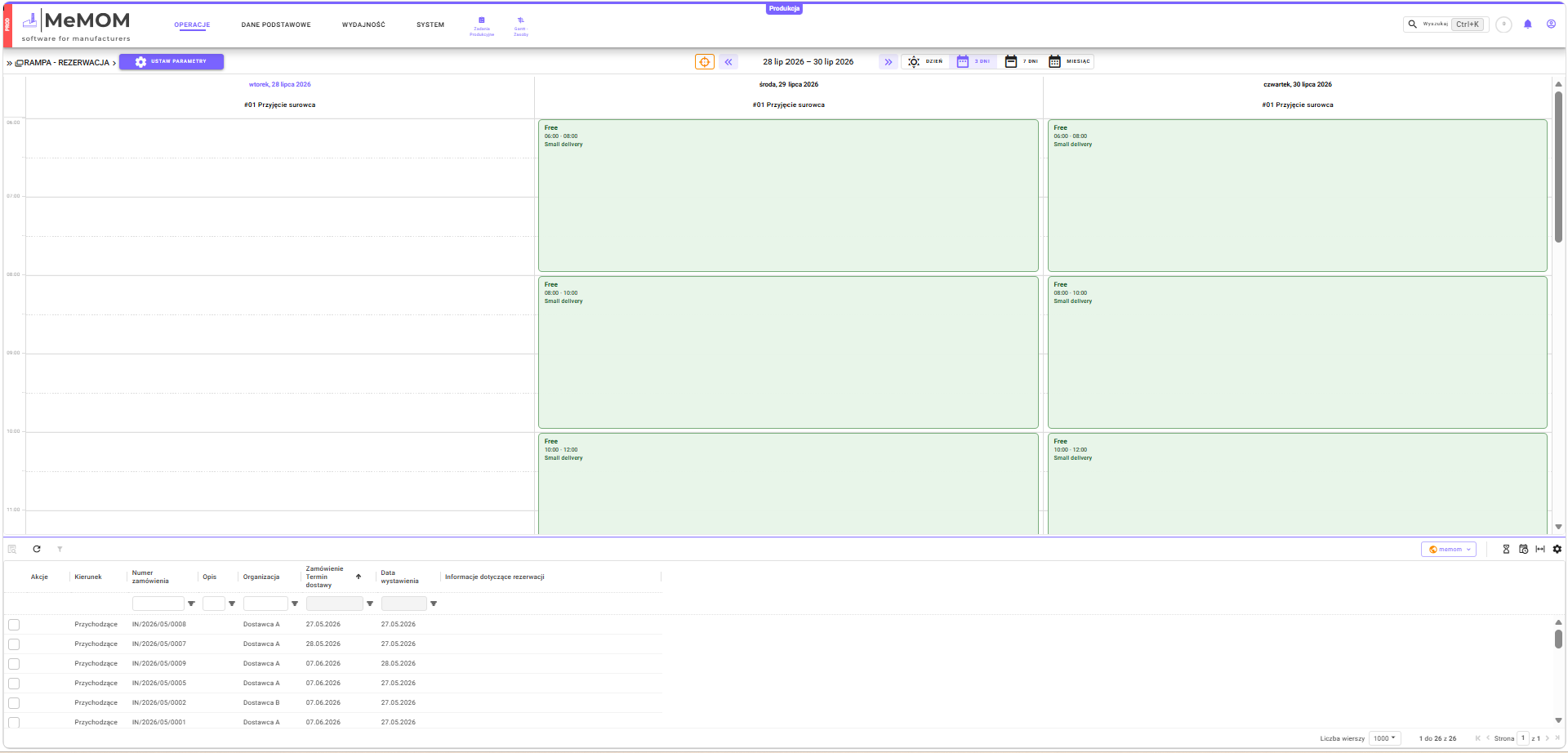
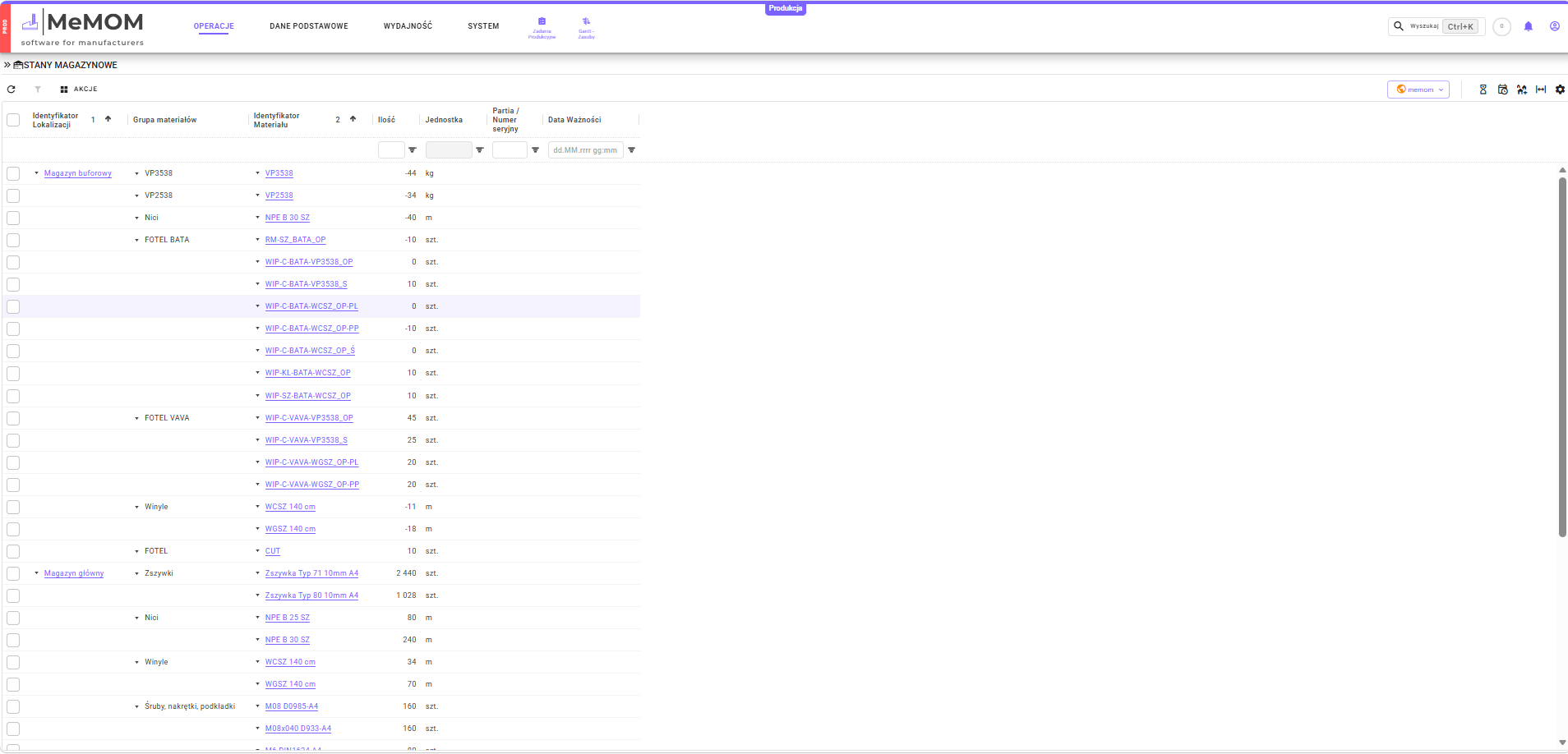

MeMOM offers the functionalities of a WMS system designed specifically for production operations. The suite of features provided for managing production warehouses will enable you to synchronise stock levels with deliveries, dispatches and, above all, with what is happening on the production floor in real time.
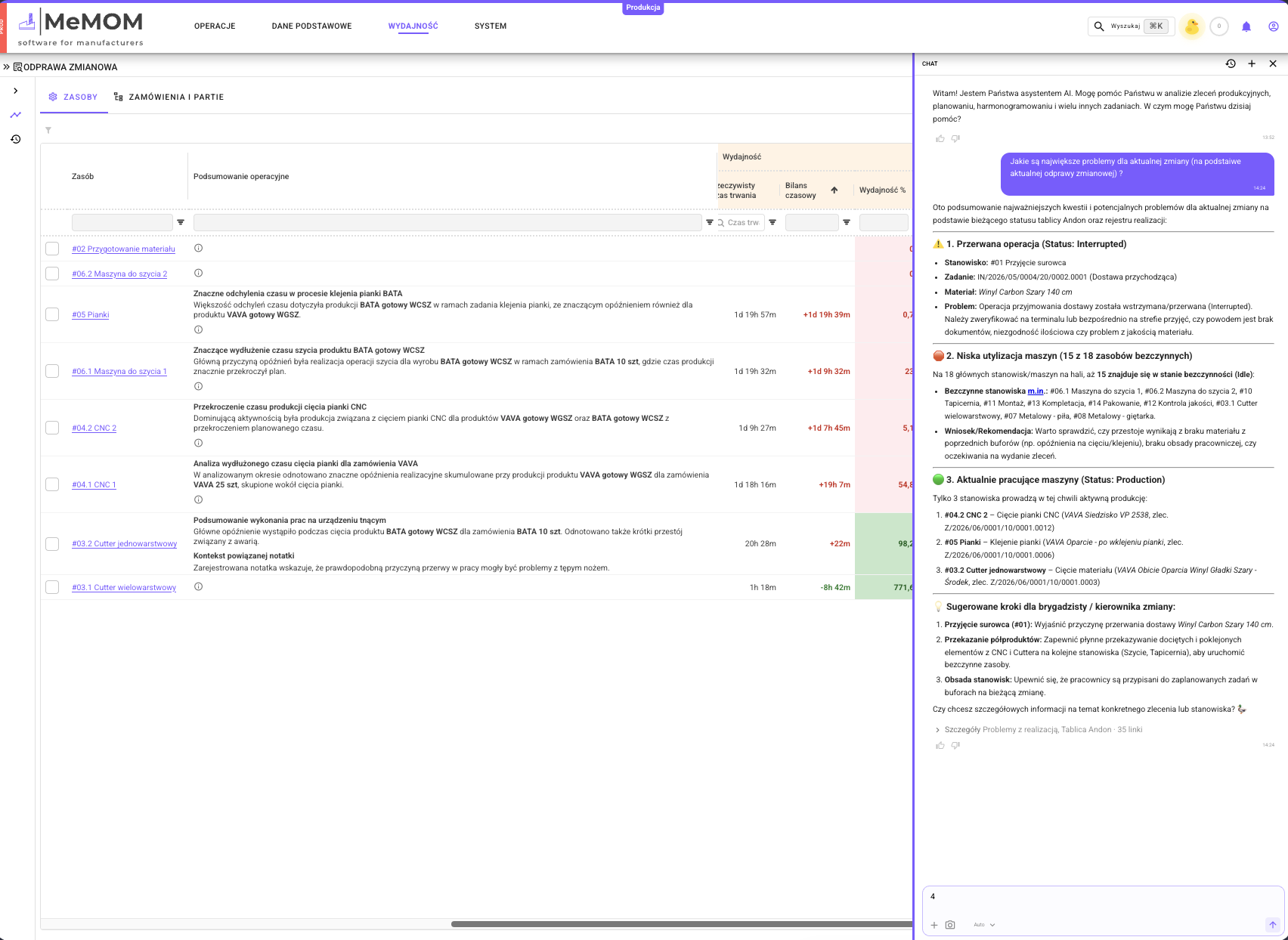
In MeMOM, you can use an AI assistant that utilises your production data. You can ask it any questions you like, for example:
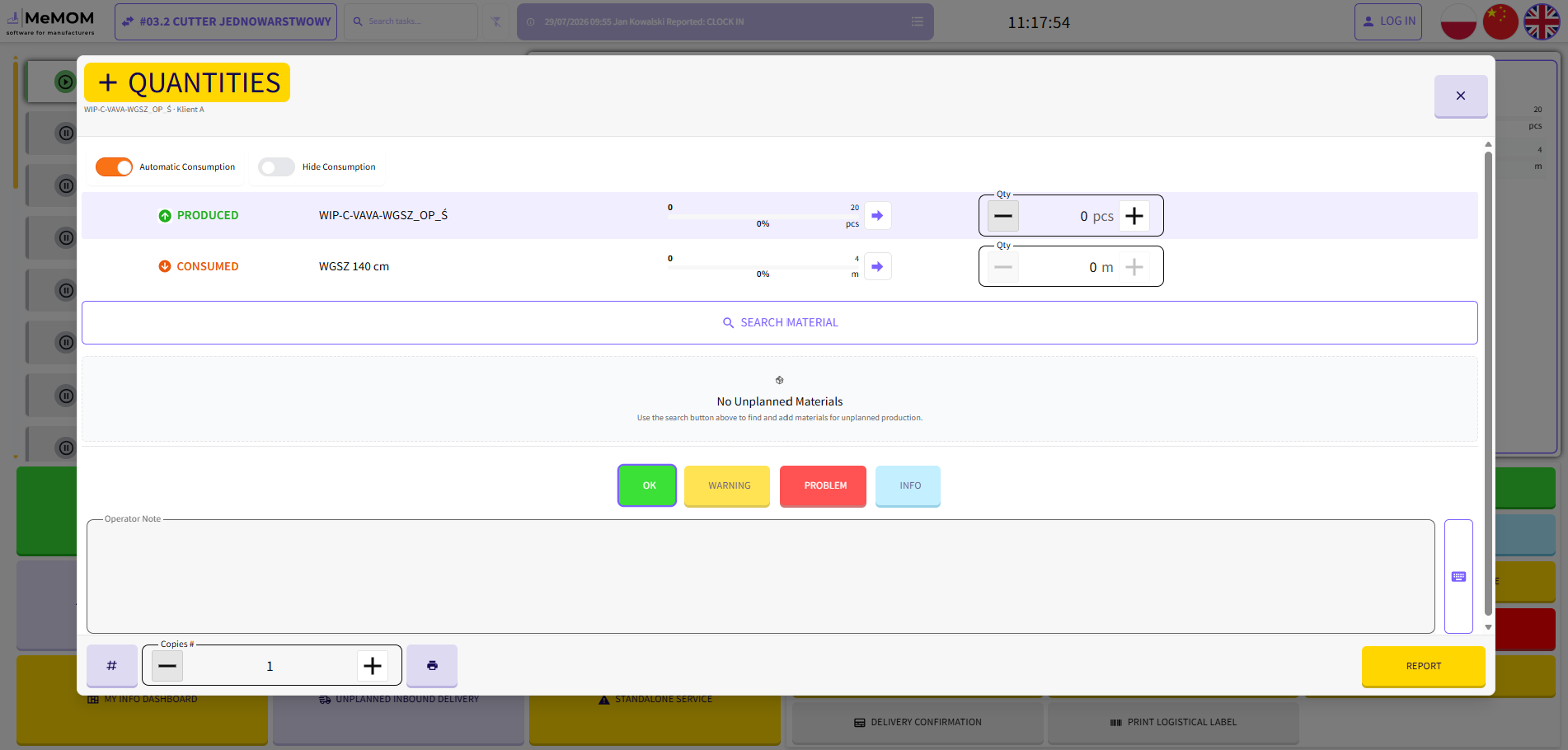
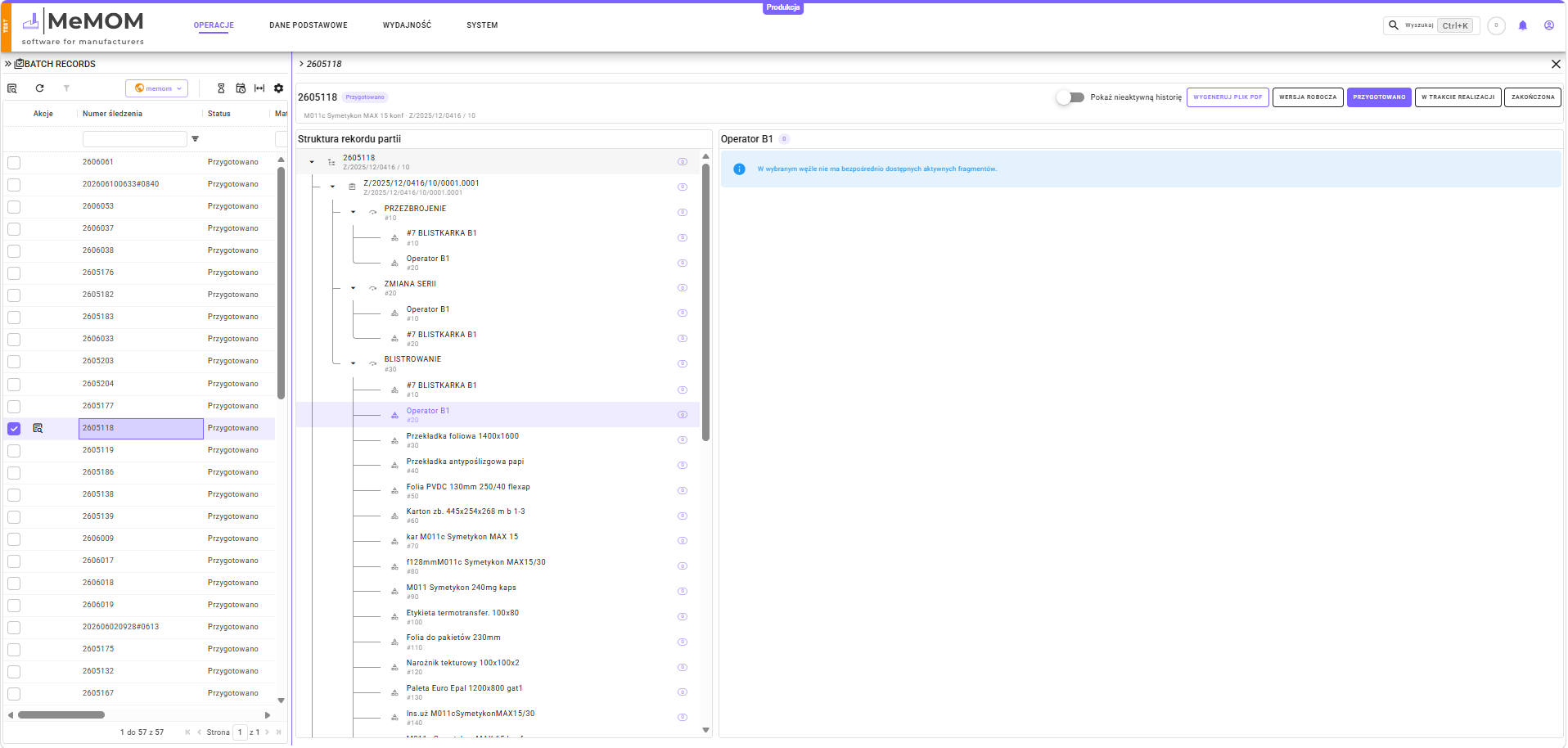
Electronic series reports save a great deal of manual work in sectors where such reports are standard practice (e.g. the pharmaceutical, food, cosmetics and machinery manufacturing industries). The report is generated automatically based on a defined template and data collected during the production process.
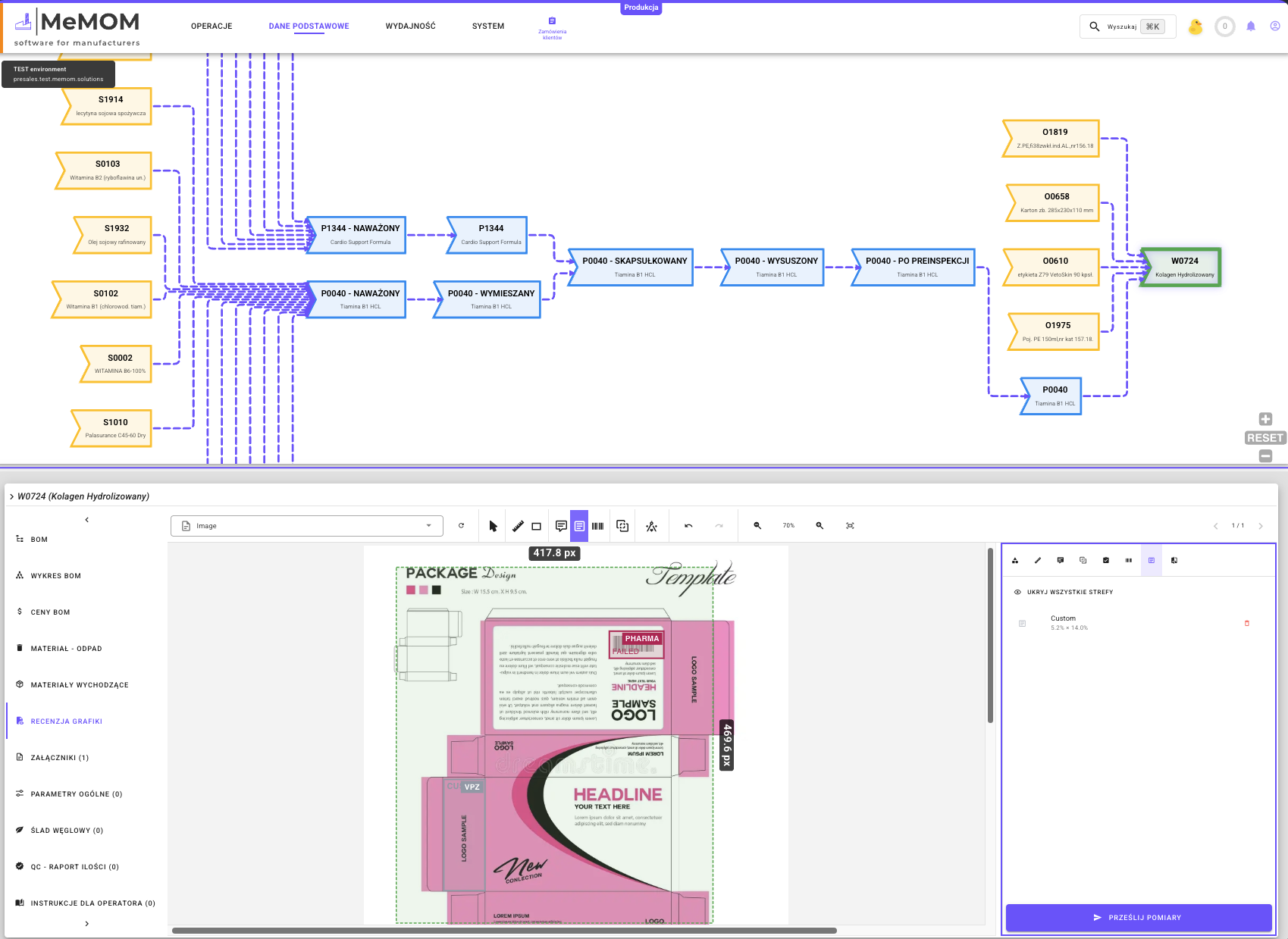
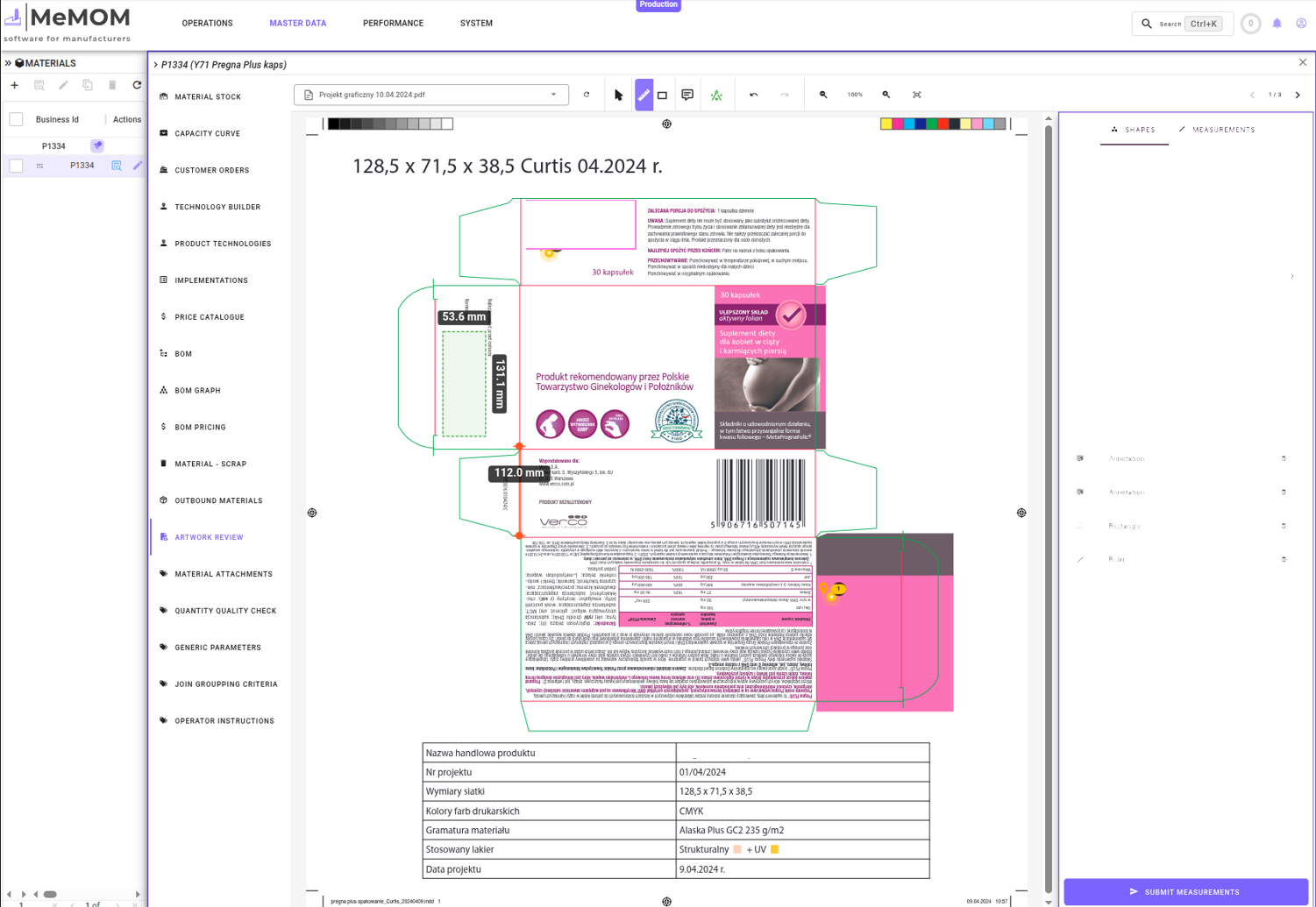
With MeMOM, it is possible to automate the review of graphic designs for leaflets, labels and packaging along the designer ↔ manufacturer ↔ printer chain (so-called proofreading combined with print area checks). Built-in tools support non-conformity detection, with review outcomes approved by a designated reviewer.